Electrolux Sao Carlos factory

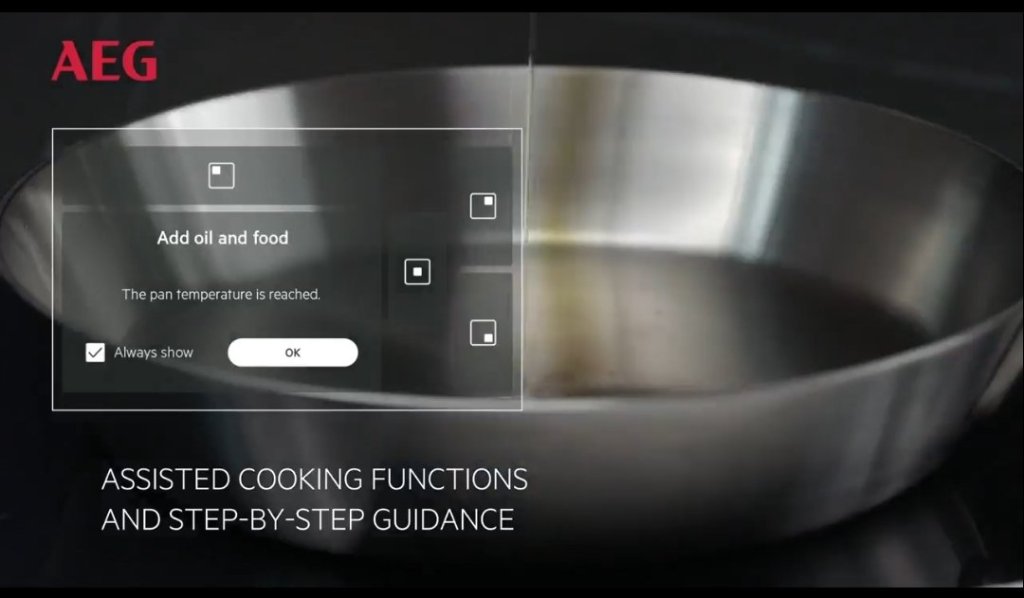
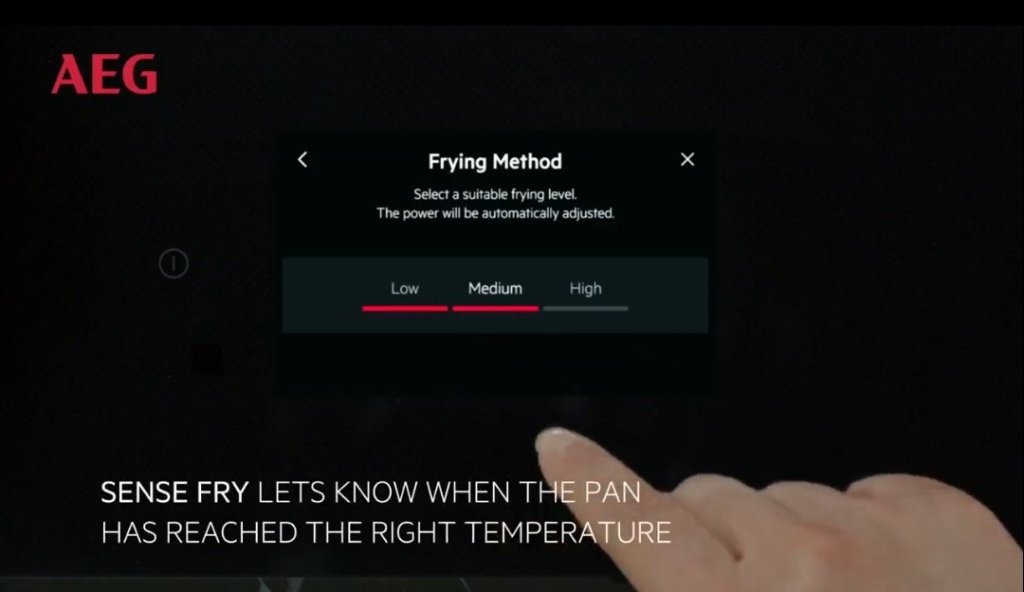
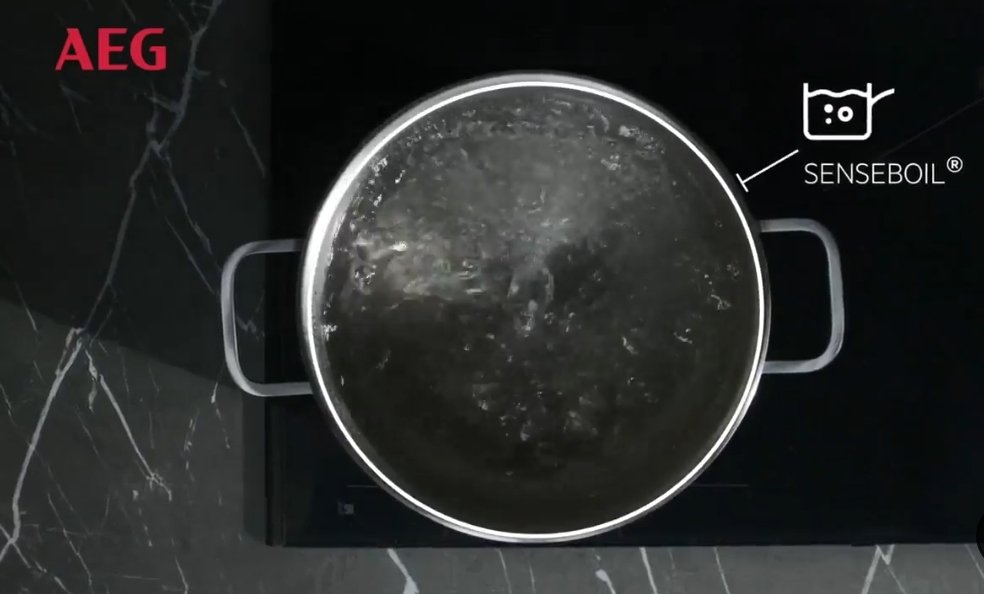
Electrolux have investing heavily in our Sao Carlos cooking facility in Brazil has led to considerable sustainability gains. The new state-of-the-art process for enameling the ovens has reduced the water consumption from 6.6 liters to 1.8 liters per produced oven. For the consumer, the welded cavity in the built-in ovens means that the appliance uses around 30% less energy to preheat. At the same time, integrated features such as the air fryer and steam function also enable users to enjoy more sustainable cooking and healthy living. The result? The built-in ovens from the Sao Carlos plant are receiving a high star rating from consumers – an impressive 4.7 on a five-point scale.

Pacojet Group Takeover

Groupe SEB announces the acquisition of Pacojet Group, the must-have cooking appliance for chefs Founded in 1992, Pacojet is a Swiss company that has developed a unique emulsifier that can make ice creams 🍨, sorbets, sauces, mousses, fillings, purées and much more in less than 🍨 90 seconds. This revolutionary culinary appliance has been a favorite of chefs for 30 years! Groupe SEB is continuing its growth in the professional market. With the acquisition of Pacojet, Groupe SEB’s professional activity is thus enriched by a complementary offer of an iconic brand and products that meet the strong development ambitions in this segment. « We are delighted with the acquisition of Pacojet, which will enable Groupe SEB to continue to accelerate in the professional segment, a strategic market that is growing rapidly and profitably. Pacojet’s products complement our existing professional offer and enjoy an unrivalled reputation. They contribute to creating a true ecosystem for our customers. We look forward to welcoming the Pacojet team and pursue our ambition in the professional sector together »Thierry de La Tour d’Artaise, Chairman of Groupe SEB .

As New York bans gas stoves, GE Appliances goes to court to 

The parent company of GE Appliances is mounting its defense in one of the first cases over the safety of emissions from gas stoves – a lawsuit that does not allege any physical injury.The same day New York banned gas appliances in new residential buildings, Haier US Appliance Solutions, which purchased GE Appliances in 2016, filed a motion to dismiss a proposed consumer class action on May 3 in San Francisco federal court. Lawyers at Dovel & Luner sued Haier in March, arguing plaintiff Charles Drake would not have purchased or paid as much for his gas stove if he had known its emissions were harmful.Drake’s and a similar case, brought by the same lawyers against BSH Home Appliances Corporation, were filed in March after media coverage of gas stove emissions exploded. The U.S. Consumer Product Safety Commission has said it is considering regulation that many feared would lead to a ban on gas stoves.The CPSC is not planning imminent regulation, Haier says, having instead sought public comment to further investigate.”Thus, although recent news articles have speculated about an association between gas stoves and various health concerns, these claims remain disputed and the subject of ongoing research,” the motion to dismiss says.”Yet, according to Drake, GEA should be held liable for not cautioning against use of its own properly functioning product or redesigning its product to reduce energy use.”CPSC Chair Alexander Hoehn-Saric said in January his agency had no intention of banning gas stoves and was simply “exploring new ways to address health risks.”However, New York isn’t waiting around for federal guidance. The state passed legislation that bans natural gas and other fossil fuels in new residential buildings, prohibiting appliances like gas-powered stoves and furnaces.Should GEA challenge New York’s ban, it could use a similar defense that it is employing in the Drake class action. In its motion to dismiss, GEA says the regulation of natural gas stoves belongs to the federal government under the Energy Policy and Conservation Act.

New Electrolux Group study: Europe turns to 30° wash, driving down CO2 emissions

35 million European households have made the switch to washing at 30°C since 2020. That’s just one of the highlights from our latest pan-European report ‘The Truth About Laundry 2023’ which focuses on resource efficiency, and in particular energy usage.The Truth About Laundry report 2021

To help people create more sustainable habits in laundry care, we need to understand current attitudes and behaviors when it comes to how people care for their clothes, and to what extent people consider the environment. In 2021, we commissioned our first The Truth About Laundry report to give us powerful insights to drive change.Read the report here https://admin.betterlivingprogram.com/wp-content/uploads/2021/02/Electrolux_TheTruthAboutLaundry_TheReport-1.pdf

Beko first robot cleaner

Beko has launched its first-ever robot vacuum!
The Robot Vacuum Cleaner boasts 2,000 Pa suction for efficient cleaning on both carpets and hard floors.

It also features a mop attachment and integrated water tank for sweeping and mopping hardwood floors simultaneouslyWi-Fi connectivity so the Robot Vacuum Cleaner can be controlled and monitored from your smartphone

Microplastic Consortium

Microplastic Consortium presents key findings to IEC toward a standardised measurement method
Today, world’s leading standardisation body International Electrotechnical Committee (IEC) met in Tokyo to discuss the key findings of the joint study conducted by APPLiA-led Microplastic Consortium to assess the release of microplastic particles and fibres in household washing processes.

Brussels, 21 April 2023 – Today, world’s leading standardisation body International Electrotechnical Committee (IEC) met in Tokyo to discuss the key findings of the joint study conducted by APPLiA-led Microplastic Consortium to assess the release of microplastic particles and fibres in household washing processes. This meeting marks a landmark step toward the development of a reliable, repeatable, and reproducible measurement method for household washing machines.

The Consortium on microplastics release during household washing processes which concluded its roughly 2-year-work in March 2023, brought together 21 signatories ranging from washing machines, detergent and filter manufacturers to test institutes and facilities, with an eye to establish basic elements towards a harmonised test method to measure the behaviour of washing machines and the release of microplastics during a real household washing cycle.

One of the main findings of the study was that intentionally added plastic particles and synthetic fibres to the washing machines only partially find their way to the drain. Analyses show a big variability of results even in a laboratory-controlled environment. While the study attempted to bridge the gap between lab and real life, the Consortium faced several challenges in developing a fully repeatable, reproducible, and consumer-relevant protocol. “There are still many parameters of influence and open points to be studied and analysed,” explained IEC Convenor and BSH Senior Expert Gundula Czyzewski addressing IEC technical experts. These include the problem of non-synthetic fibre fragments such as wool and cotton, the use of powder detergent and washing machine load amount among others, “that could possibly affect filter clogging and remain an open issue to a comprehensive analysis.” Therefore, from the measurements done in the Consortium, it was possible to only calculate a few individual performance factors, triggering the need for further investigation. In this sense, workshop participants convened that standardisation bodies are the right place to continue the discussion for the development of an accurate test procedure that could verify the performance of any solution.

Setting minimum performance requirements on microplastics filters without a repeatable and reproducible method would result in a non-verifiable, ineffective legislation. Concern about the potential impact of microplastics has gathered momentum during the past few years. The number of scientific investigations has increased, along with public interest and pressure on stakeholders. “Understanding the magnitude of the issue is key to ensuring an effective solution,” said APPLiA Energy & Environment Policy Manager Giulia Zilla, who was responsible for the coordination of the Consortium activities on behalf of the Association, and contributed to the draft of the final report. The issue of microplastic pollution has escalated the EU political agenda to translate into a number of different regulations currently being discussed at national and international level. There, the study plays a key role in substantiating the need for the adoption of “a lifecycle-based approach to identify the most cost-effective solution to a global issue.” In this sense, the deployment of washing machine filters into European homes has been identified by some countries as a possible mitigation strategy to microfiber emissions. “While filters can contribute to halting the journey of microplastics before they reach the environment, a more comprehensive and long-term solution, reconsidering the very use of plastics, is needed,” commented Zilla. Mandating the equipping of all household washing machines with a filter does not seem to represent a conclusive solution to tackle the microplastics issue, as fibres will always find their way into the environment, if present in textile products themselves. Before setting any legislative requirements on washing machines, a number of technical considerations must be addressed. Among others, the filter can cause clogging of the machine but what is more, the burden of maintenance to keep the machine running would fall on consumers, from cleaning to replacement and disposal, in order to prevent the rinsing off of fibres in the sink. Even in the case of integrated filters, it would be very problematic to deal with the maintenance of the filter itself while ensuring the best performance of the machine. Research is currently ongoing to evaluate the benefits of EU-wide legislation. A proposal is expected later this year.

While it is difficult to estimate a timeline by when a measurement method could be available to use for the verification of the requirements, the role of policymakers remains crucial to follow standardisation activities and set measurable targets in the law. As a next step, the joint study conducted by the Consortium will be reviewed in detail by IEC and used as a starting point to the development of a standardised measurement methodology.

China appliance industry decline

According to the “2022 Annual Report on China’s Household Appliance Industry,” both export and domestic sales of the industry are projected to decline in 2022. The export scale of the industry is expected to decrease by 10.9% YoY, amounting to 568.16 billion yuan, while domestic sales volume is expected to drop by 9.5% YoY, reaching 730.72 billion yuan.

However, some home appliance companies reported positive sales figures in their 2022 annual reports. Air conditioners, air fryers, and floor scrubbers were among the top-performing products in the market.

Whirlpool Launches Hob With Innovative CleanProtect

Whirlpool is launching a new induction hob with CleanProtect nano-coating, which means cleaning is no longer a daily source of stress. The new protective layer over the glass of the hob means that chemical cleaning agents are no longer necessary. Just water and a sponge are enough to give the hob a sparkling clean and prevent scratches and stains in the long term. With the new induction hob, pale circles from hot pans can be a thing of the past, allowing chefs to focus on preparing delicious dishes and enjoying long, relaxing evenings.

In addition to the CleanProtect nano coating, Whirlpool’s new induction hob offers a range of functions and flexibility. All induction hobs are equipped with 6TH SENSE automatic functions that prevent burning and boil over, including keep warm, melt, simmer and boil. Flexible cooking zones make the hob the ideal cooking partner. With ChefControl, chefs can divide the hob from bottom to top into low, medium and high temperatures, while simply sliding the pan up or down to change temperatures during the cooking process.

Whirlpool’s new induction hob is designed for easy installation and fits seamlessly into any worktop from 12mm, with no front ventilation. In addition, standard niche sizes make the replacement of an existing (gas) hob extra simple. Power management makes it possible to connect the hob to a lower power, so that adjustment to the electrical installation is often not necessary https://youtu.be/0aV0lmGEqmk

World’s first fridge with 70% recycled plastic inner liners

The Electrolux Group has developed a new line of built-in refrigerators – the Electrolux 500-900 Series and AEG 5000-9000 Series – that we’re currently launching in Europe. The recent launches have inner liners made from 70% recycled plastic, which equates to 13% of the total plastic used in the refrigerator. We are the first in the world to incorporate this much recycled plastic into a refrigerator so it’s an important industry breakthrough.

The plastic is sourced from a specialty supplier that collects and refines plastic from discarded refrigerators in Europe. It is very important that we work with strong and reliable partners that can provide access to high-quality recycled materials.

The range has been well received at fairs such as IFA in Berlin as the industry sees the product as being concrete proof that we take sustainability seriously.

How have consumers responded to the inner liners made from recycled plastic?

Consumers have responded very positively to the inner liners, and they perceive the gray shade of plastic as being more premium than standard white liners. They favor products made from recycled materials and our research has shown they want this kind of refrigerator with recycled materials.

How do our built-in fridges help retain nutrients and avoid food waste?

The recent launches have an innovative GreenZone crisper drawer to keep fruit and vegetables fresh. They are offered in two versions – one with a manual vent that consumers can open or close depending on how full the drawer is and an automatic version. The automatic crisper has a membrane that allows ingredients to breathe by regulating and optimizing humidity.

Third-party studies have shown that our GreenZone crisper drawer can retain 95% of the vitamin C in blueberries after 11 days. None of our competitors use this kind of innovative membrane so it is a clear competitive advantage for us.

The recent launches also use innovative cooling technology that keeps the temperature stable to help ingredients last longer. One of the solutions is Cooling 360, which maintains a more stable temperature distribution, to preserve food for longer by avoiding temperature shocks and stress on food. Our TwinTech® No Frost also keeps food hydrated with independent cooling systems for the fridge and the freezer parts.

What do customers think about these enhanced abilities to help preserve ingredients?

Consumers immediately understand the value to them – not only in terms of retaining the vitamins in their ingredients for their health, but also making ingredients last longer and ultimately helping them to avoid food waste. Importantly, consumers really value the third-party verified fact-based claims we make. At Electrolux Group we’re committed to help consumers live better, more sustainable lives in the home and this refrigerator line reflects that.

Consumers have shown increased interest in healthy eating, particularly since the pandemic, and we go beyond the standard refrigerator offering by helping them to maintain the vitamin content and quality of the food they eat. Also, people are becoming increasingly conscious of food waste and the materials that are used to manufacture their products.

Will they be launched in other markets in 2023?

Yes, as well as continuing to roll out these innovations across Europe in 2023, they are looking at launching in other regions, such as Asia Pacific, in the coming years. Watch this space

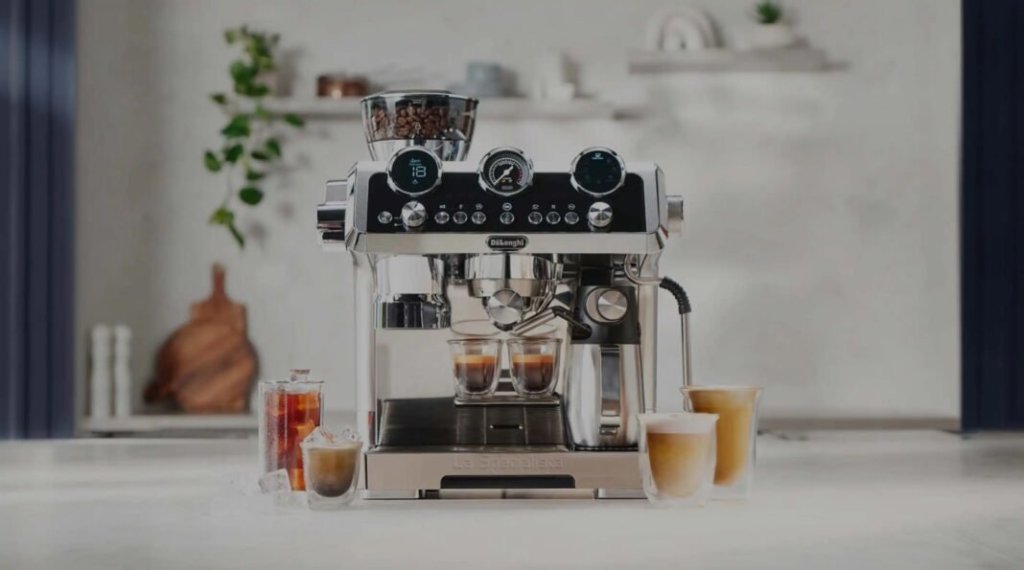
Andrea D’Aloia is Marketing Director at De’Longhi

Andrea D’Aloia, since 2020 Marketing Director of Miele Italia has become Marketing Director in De’Longhi. The manager himself announces it on his Linkedin profile. D’Aloia was ‘born’ in Ferrero where he carried out an international career in Luxembourg, Singapore and Frankfurt. Polyglot (he speaks Chinese as well as English) he enters the marketing of Burger King in Zurich and then arrives at Miele. In recent weeks you have started an Executive MBA at SDA Bocconi.