Beko has announced FlexiStart, a new feature within its HomeWhiz connected appliance platform designed to help households reduce electricity costs by running appliances when energy prices are lower.
Scheduled for launch in January 2027, FlexiStart will initially support washing machines, dishwashers and tumble dryers.
Tag Archives: BEKO
Fitch Downgrades Arçelik Credit Rating as Financial Pressure Continues
Fitch Ratings has downgraded Arçelik’s long-term credit rating from B+ to B, maintaining a negative outlook as the Turkish appliance manufacturer faces continued financial pressure.
The downgrade reflects weaker demand in Turkey and international markets, increased price competition and rising operating costs. These factors have put pressure on profit margins, increased borrowing requirements and weakened the company’s financial position.
European Home Appliance Sector at a Turning Point
The European white goods manufacturing sector is facing an unprecedented crisis as multinational giants reconsider their footprint on the continent. In a candid interview with Rai’s TGR Marche, Francesco Casoli, President of the Italian extraction and cooking specialist Elica Group, laid bare the structural pressures threatening European appliance production—and issued a direct challenge to policymakers in Rome and Brussels.
Continue readingBeko Expands AI-Powered Customer Care Network
The appliance giant has unveiled a major expansion of its global after-sales operations, combining human expertise, connected diagnostics and AI-powered tools to deliver faster, more proactive customer support.
Continue readingLG Still Tops India’s White Goods Race
TV property expert Kirstie Allsopp finds ‘forever’ issue with new heat pump tumble dryers
Beko to Exit New Zealand Market in 2026
Beko to Exit New Zealand Market in 2026
Beko Australia and New Zealand (ANZ) has announced it will cease direct commercial operations in New Zealand in 2026 as part of a global optimization strategy.
Following a strategic review of regional operations and local market conditions, the appliance manufacturer concluded that continuing its direct presence in New Zealand is no longer commercially viable. Moving forward, the company will focus entirely on its Australian operations.
Key Points for Trade & Retailers
* Product Availability: Beko and Hitachi major domestic appliances will continue to be supplied through existing NZ retail partners during the transition period.
* Warranties & Support: All existing consumer warranties, after-sales support, and customer service contacts in New Zealand will remain unchanged and fully supported.
* Australian Focus: Beko Australia’s operations remain unaffected, with the business concentrating on driving growth and performance in its core market.
In an official statement, Beko ANZ noted that after evaluating NZ market conditions, “continuing to operate the business is no longer sustainable,” leading to the decision to exit the market in 2026.
For more trade updates and market analysis, keep following White Goods Now.
Singer Bangladesh Returns to Profit in Q2 2026
Singer Bangladesh returning to profitability while continuing to invest in Bangladesh’s manufacturing future.
The company recorded Tk 8.4 billion in revenue, a 3.4% year-on-year growth, and achieved a Profit Before Tax of Tk 141 million, reflecting improved operational efficiency and business resilience.
Our commitment to long-term growth remains stronger than ever. Through our global-standard Green Factory in the Bangladesh Special Economic Zone (BSEZ), over 90% local manufacturing, and the commencement of exports, we continue to strengthen Bangladesh’s industrial and export capabilities.
We remain focused on creating sustainable value through innovation, local manufacturing, and an enhanced customer experience.
Beko Highlights Real Sustainability Gains for World Environment Day
Beko is marking World Environment Day by showcasing how its latest technologies are cutting water and energy use across both homes and factories. The brand says its PowerIntense dishwashing now delivers full cleaning performance using just 5.9 litres per cycle, while EnergySpin washing machines reduce energy consumption by up to 35%.
On the manufacturing side, Beko reports major efficiency wins: its Manisa washing machine plant has reduced water use per product by around 79%, and its Singer site has cut plastic waste by over 90%. The company is also targeting a 42% reduction in Scope 1 and 2 emissions by 2030.
CEO Can Dinçer describes the approach as “practical sustainability” — pairing efficient appliances with cleaner, lower‑impact production. With several factories recognised by the World Economic Forum’s Global Lighthouse Network, Beko continues to position itself as a sector leader in sustainable manufacturing.
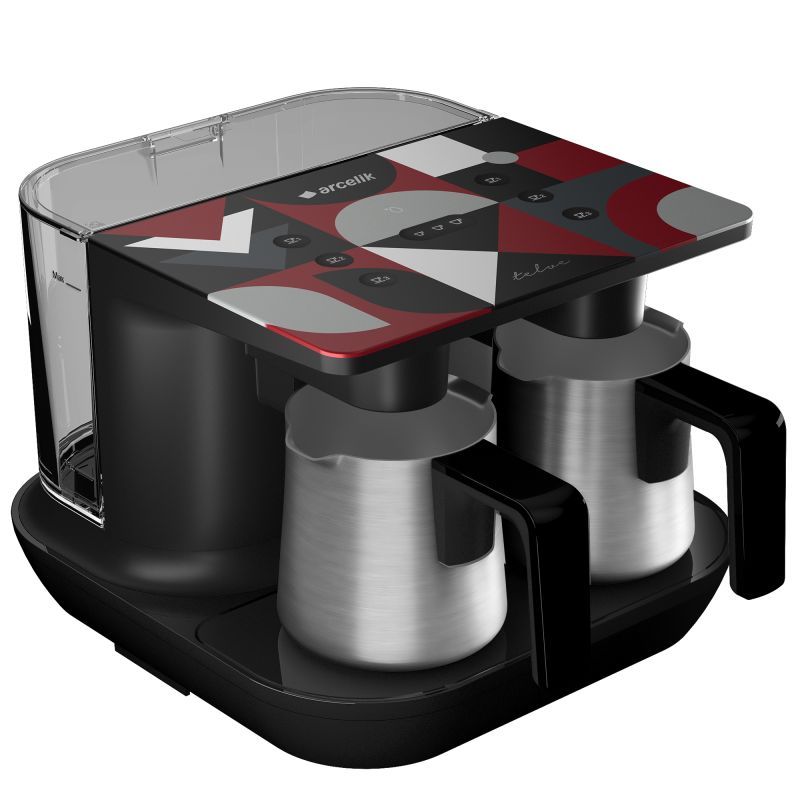
Beko Unveils New Turkish Coffee Machines
Beko introduces two new Turkish coffee machines — the TKM 9961 Z and TKM 8961 Z — blending Bauhaus‑inspired design with authentic, foam‑rich brewing. A modern icon for kitchens that want tradition with a twist.