
India has emerged as one of Samsung’s fastest-growing markets for AI-powered home appliances, with the number of newly connected devices in the country rising nine-fold over the past three years, driven largely by younger consumers, the South Korean consumer electronics major said
Tag Archives: India
Hisense Expands India Footprint with First-Ever Laundry Range
Hisense is taking a major step in broadening its Indian home appliance portfolio with the official launch of its first washing machine lineup in the country.
Bosch Scales Up Exclusive Retail Network With 30 New Brand Stores Across India
Bosch executes a 30‑store single‑day rollout, expanding its exclusive Brand Store network from 104 to 134 across India.
Bosch Home Comfort Group plans to invest €80 million (around ₹900 crore) to expand its manufacturing
Europe’s largest air-conditioner maker is making a major bet on India.
Bosch Home Comfort Group plans to invest €80 million (around ₹900 crore) to expand its manufacturing footprint in India and begin exporting Indian-made air conditioners within the next two years—including to Europe.
The move reflects India’s growing role as a global manufacturing and export hub.
Key highlights
🏭 Bosch will invest €80 million (approximately ₹900 crore) to expand manufacturing capacity in India.
🌍 The company plans to start exports within two years, targeting Europe as well as other international markets.
BSH Expands Bosch & Siemens Small Appliance Portfolio to Accelerate Premium Growth in India
BSH expands Bosch & Siemens small‑appliance range in India, targeting premium growth across kitchen machines, vacuums, food‑prep and coffee categories.
BSH India Accelerates Premium Kitchen Push with Siemens,
India’s premium and luxury kitchen market is projected to grow significantly over the next five years, driven by:
– Rising home renovation spending
– Growth of luxury real estate in metros
– Increased preference for European‑style built‑in appliances
– A shift toward minimal, integrated kitchen aesthetics
BSH’s multi‑brand strategy — Bosch for mass‑premium, Siemens for upper‑premium, and Gaggenau for luxury — positions the company to capture demand across the full spectrum of premium kitchen buyers.
Thompson budget top-loaders in India.
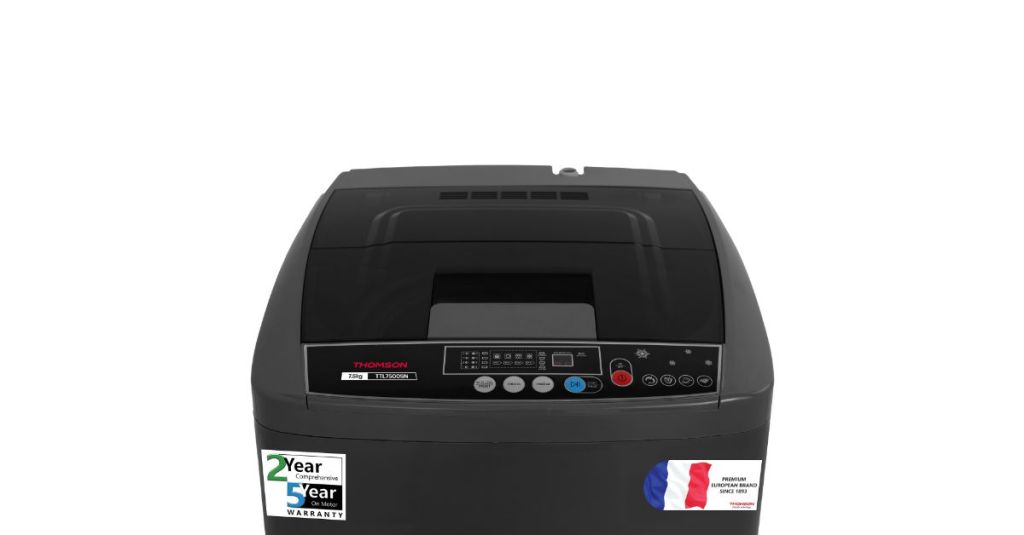
Thomson’s New 5-Star Washing Machines Hit India
Thomson has launched three budget top-loaders in India. Smart Tech: The fully automatic model uses Fuzzy Logic to self-adjust water and settings by load weight.
Massive Value: The 14 kg model handles large family loads at an aggressive sub-₹14,000 price point.
Panasonic exits refrigerators and washing machines
Panasonic has officially pulled out of the refrigerator and washing machine categories in India, ending years of low sales and mounting losses. With market shares of just 0.8% in fridges and 1.8% in washing machines, the company struggled to compete in a crowded, price‑sensitive segment.
This exit is part of Panasonic’s global restructuring, allowing the brand to shift focus toward HVAC, B2B solutions, and smart home technologies—areas with stronger growth and profitability.
Panasonic says it will continue to support existing customers with service and spare parts, while helping dealers clear remaining stock.
The move highlights a broader trend in India’s appliance market: global brands are prioritising high‑margin, tech‑driven categories over traditional white good
Whirlpool’s India Unit Sale to Advent International Falls Through Over Valuation Dispute
In a significant turn of events in the global M&A landscape, talks between U.S. appliance giant Whirlpool Corporation and private equity powerhouse Advent International regarding the sale of Whirlpool’s India unit have reportedly collapsed. According to sources cited by Reuters, the deal—valued at up to $1 billion—was derailed due to disagreements over valuation.
Advent International had emerged as the leading contender to acquire a 31% stake in Whirlpool of India Ltd (NSE: WHIR.NS), a move that would have triggered a mandatory open offer for a controlling stake under Indian securities regulations. The acquisition was seen as a strategic play by Advent to deepen its footprint in the Indian consumer durables market, leveraging Whirlpool’s established brand presence and distribution network.
However, despite advanced negotiations, the two parties were unable to bridge the valuation gap. The breakdown underscores the challenges global investors face in aligning expectations with multinational corporations, especially in high-growth but price-sensitive markets like India.
Whirlpool of India, a subsidiary of Michigan-based Whirlpool Corp (NYSE: WHR), has been a prominent player in the Indian home appliance sector, known for its refrigerators, washing machines, and kitchen appliances. The potential divestment was part of Whirlpool’s broader strategy to streamline its global operations and focus on core markets.
While this deal may have faltered, industry watchers suggest that interest in India’s consumer appliance sector remains robust, driven by rising disposable incomes, urbanization, and a growing appetite for premium home solutions. It remains to be seen whether Whirlpool will seek other suitors or recalibrate its strategy for the Indian market.
Stay tuned for more updates as this story develops.
Bajaj Electricals to acquire Morphy Richards brand rights in India,
Bajaj Electricals will acquire the intellectual property rights of Morphy Richards, including the brand rights for India and neighbouring markets, from Glen Electric, part of Ireland-based Glen Dimplex Group.

