
In a surprising development that’s sending ripples through the smart home appliance industry, iRobot—the company behind the iconic Roomba robotic vacuum—has been acquired by Chinese contract manufacturing giant Picea. The acquisition comes as part of iRobot’s Chapter 11 bankruptcy proceedings, raising serious questions about the future of its products, services, and customer support.
What Happened?
iRobot, once a pioneer in consumer robotics and a household name thanks to its Roomba line, has officially filed for Chapter 11 bankruptcy protection. As part of the restructuring process, the company has been taken over by Picea, a major player in global electronics manufacturing. While the financial details remain under wraps, the move signals a major shift in iRobot’s operational control and strategic direction.
Why Roomba Owners Are Concerned
The news has sparked concern among Roomba users worldwide. With the company now under new ownership, many are wondering:
– Will existing Roomba warranties still be honored?
– What happens to software updates and app support?
– Will customer service remain accessible and responsive?
– Could data privacy policies change under new management?
These are valid questions, especially for customers who’ve invested in premium models or rely on Roomba’s smart home integrations.
What We Know So Far
As of now, Picea has not released a detailed roadmap for iRobot’s future. There’s been no official statement regarding warranty policies, ongoing support, or changes to the product lineup. However, transitions like this often involve a period of uncertainty as the new parent company evaluates operations and restructures accordingly.
What Should Roomba Owners Do?
Until more information is available, here are a few proactive steps Roomba users can take:
– Check your warranty status: Locate your proof of purchase and warranty documentation.
– Back up your app settings: If your Roomba uses the iRobot Home app, ensure your preferences and cleaning schedules are saved.
– Monitor official channels: Follow iRobot and Picea for updates on support, service, and product announcements.
– Consider alternatives: If you’re in the market for a new robotic vacuum, it may be worth exploring other brands with stable support ecosystems.
Final Thoughts
The acquisition of iRobot by Picea marks a pivotal moment in the evolution of the smart home appliance market. While the long-term implications remain to be seen, one thing is clear: consumers are watching closely. At WhiteGoodsNow, we’ll continue to monitor the situation and provide updates as they unfold.
Tag Archives: L
KitchenAid Artisan Mixer Unveils “Butter” — A Color that Warms the Heart
KitchenAid introduces a deliciously nostalgic new shade to its Artisan stand mixer range: *Butter*. Inspired by the comforting richness of butter, this hue celebrates the simple joy of togetherness. “Butter is a tribute to the sweetness of memories,” the brand shares, “and the pleasure of things done together—a color that blends design, emotion, and authenticity into one inviting tone.”
💛 **Elegance Meets Performance**
Beneath its charming exterior, the mixer boasts a galvanized metal construction and a quiet yet powerful 300W motor. With 10 speed settings and two versatile bowls—a 4.7-liter bowl with ergonomic handle and a 2.8-liter stainless steel bowl—it’s designed for creativity and convenience.
🧁 **Accessories to Elevate Every Bake**
The set includes three whisks and a dough hook to handle everything from delicate meringues to sturdy bread doughs. And for easy cleanup, all removable parts are dishwasher safe.

Interclean China
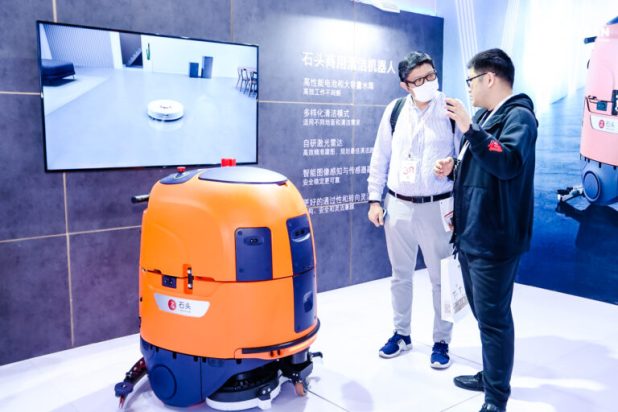
With a continued growth, the investment in infrastructure in China is rising as well as the general living standard. And the demand is high for professional cleaning, disinfection and hygiene products and services. The latest innovative products, services and facilities of the sector will be showcased at Interclean China, the international trade show for cleaning and hygiene, that is set to return from 25-27 September in Chongqing. Following the launch of the show in 2021, this year’s event will be bigger and international, with more than 200 exhibitors, 40+ keynote speakers and more than 8000+ visitors expected. All segments from the professional cleaning and hygiene industry will be presented, including healthcare, machines, equipment, detergents, washroom, management and mobility solutions, robotics, Artificial Intelligence and more. Visitors will have the chance to attend conferences, workshops and demonstrations for example from global vendors looking to import their products and services for the ever-growing market. The event’s location, Chongqing, is an important hub in southwest China – one of the fastest growing major regions in the country. Home to more than 31 million people, the city has also seen significant growth over the years.
Miele presents Pioneering GmbH
Miele has founded its own incubator in order to further promote the development of innovative solutions from within the ranks of the workforce and implement them faster. With Pioneering GmbH, Miele is ensuring a creative environment in which internal start-ups can bring their ideas to fruition faster, well away from established structures. Management of Pioneering GmbH is to be shared by Ina Nordsiek, Director Intrapreneurship within the business unit, and Hendrik Stegelmann, Director Digital Innovation and Products with Smart Home. Both will assume their new responsibilities alongside their existing tasks.
Particular attention will be paid to promoting business ideas which represent a strategic fit but are outside Miele’s previous core business field. «With Pioneering GmbH – Nordsiek explains – we are offering administrative freedom and elbow room and a professional and inspiring environment in which we bring together the best of the start-up and the Miele world». As Stegelmann added, «on the one hand, teams have the liberties and autonomy of a start-up whilst on the other being able to fall back on the support of a globally active family company».
In more concrete terms, ideas for innovative business models, product or process solutions from the New Growth Factory or Smart Home are transferred to the new company which, after careful evaluation by Miele, are considered promising. Once there, development of the so-called Minimum Viable Product continues through to market maturity, initial discussions with potential customers and market trials under real-life conditions. If the business case overcomes this hurdle, it is either integrated at Miele or pursued further as a separate start-up founded at that point
 WHITEGOODSNOW