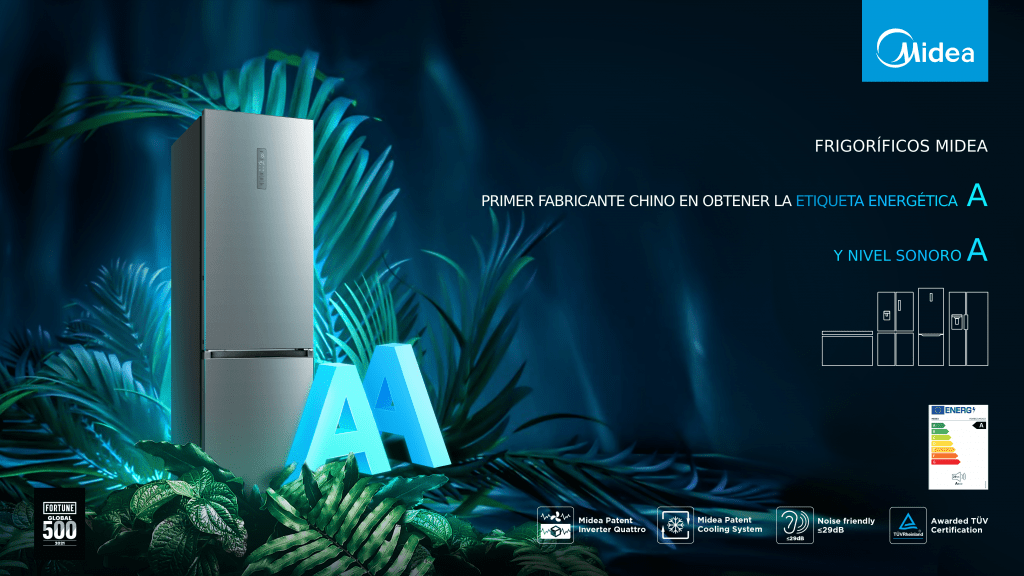
Midea , the world’s No. 1 selling manufacturer of air handling appliances *, has become the first Chinese brand to obtain the double A certification of energy label A and sound level A , of the new design standard eco-energy of the European Union.
The new regulation, which came into force on April 1 of this year, affects certain categories of household appliances, such as refrigerators, washing machines or dishwashers, and differs from the previous standard by changing their labels.
The new energy labeling has gone from being from A to A +++, to being from G to A. Consequently, the class A +++ up to now would be equivalent to the current C or lower, so the new standard seeks to give a margin of improves appliance manufacturers by encouraging them to develop much more efficient and environmentally friendly models.
Obtaining this certification by Midea has been possible thanks to the great efforts made by it in the field of innovation. During this year , it has opened 28 R&D centers in 11 countries. With them, the brand not only seeks to have the opportunity to launch better home appliances on the market, both in terms of design and efficiency, but also to contribute its grain of sand to the global technological race for the preservation of the planet. Likewise, the recognition comes from the launch of a new combi refrigerator with energy classification A and sound level A, to which, at the end of the year, a whole range of electrical appliances with energy certificates between C and A will be added. This range consists of combi and multi-door refrigerators, side by side and, chest and built in models
Arçelik Global has been awarded with the Terra Carta Seal! The Terra Carta, as part of the Sustainable Markets Initiative, offers the basis of a recovery plan to 2030 that puts nature, people and planet at the heart of global value creation.
As a #TerraCartaSealHolder, Arçelik is recognised as a company driving innovation and leadership in its industry, having a roadmap towards decarbonisation and GHG emissions reduction in place underpinned by science-based metrics.
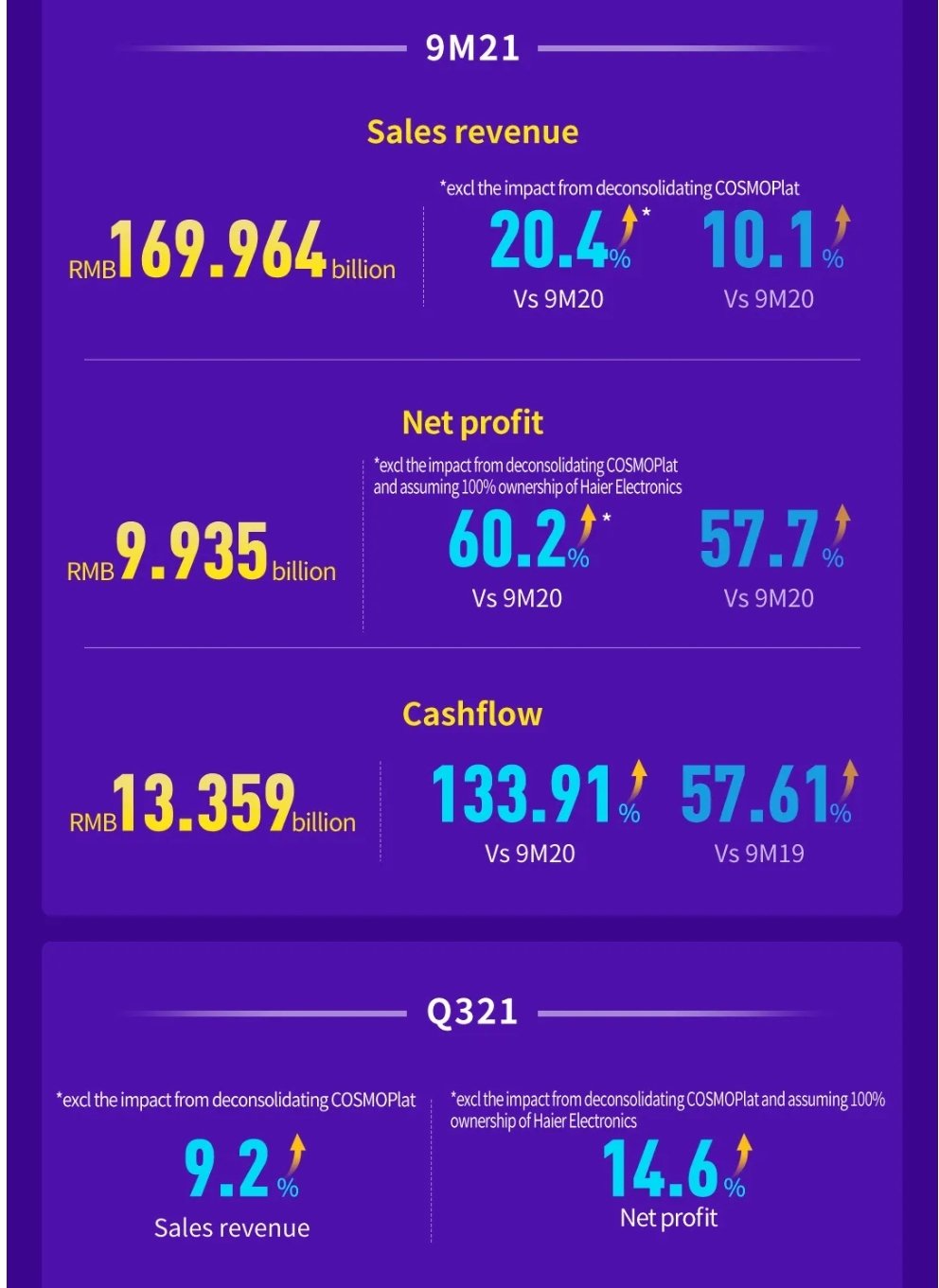
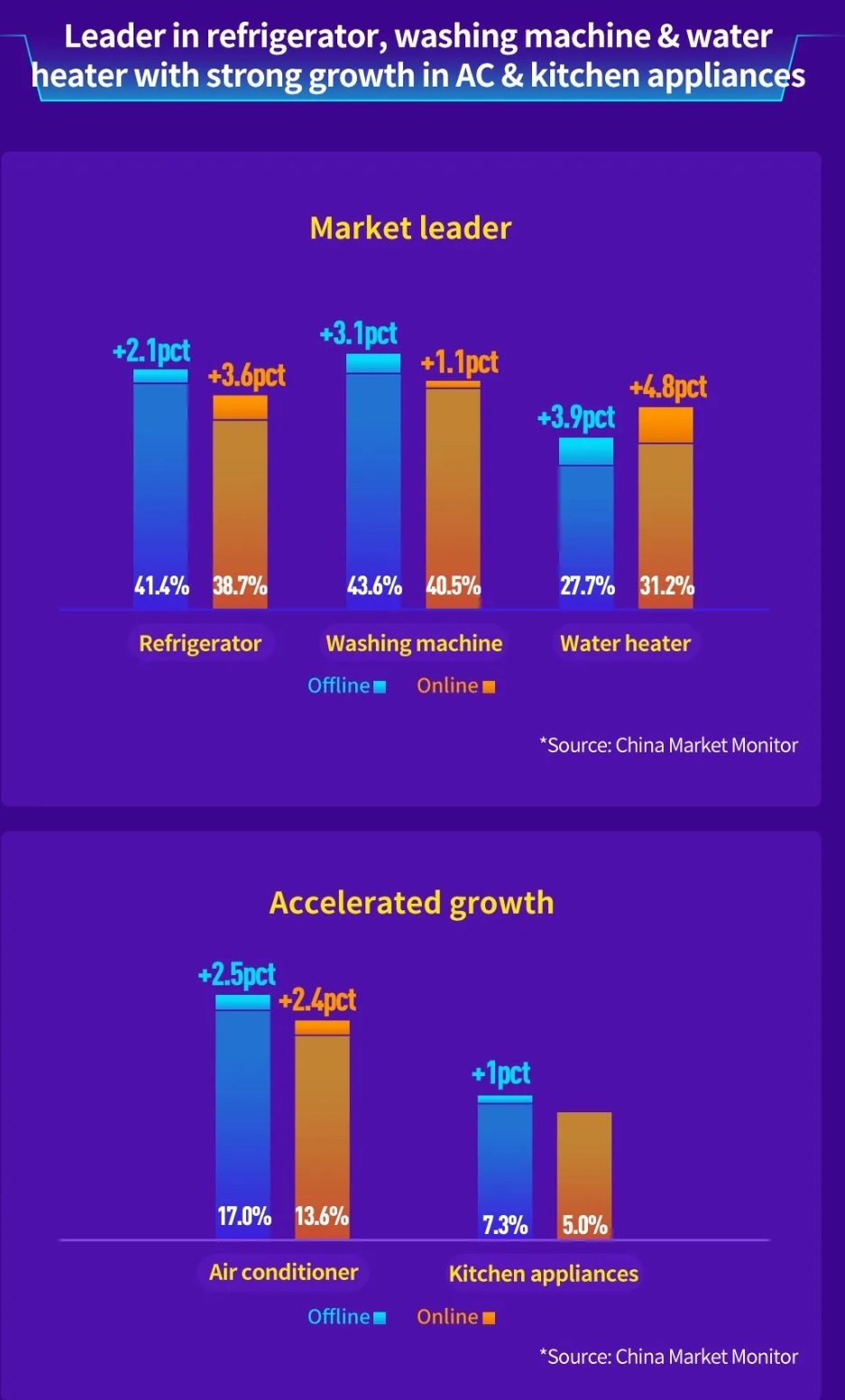
Haier Smart Home published 3Q21 results. From January to September, the Company realized double-digit revenue growth and even faster profit expansion, with continued cost optimization as well as doubled cashflow.
Committed to minimizing the environmental impact of its products throughout their life cycle, Groupe SEB has created its “ECOdesign” label, enabling consumers to quickly identify the most high-performance products in terms of eco-design. The label has been certified by an independent third party with ISO14020 and ISO14021 standards. A packaging charter has also been created to identify products that meet the eco-design criteria within Groupe SEB brands. To be included among the most eco-friendly products, the company’s appliances must comply to five eco-design criteria: materials with a lower environmental impact, more energy efficiency, products designed to last and be repaired, increasingly recyclable products, packaging with a lower environmental impact.
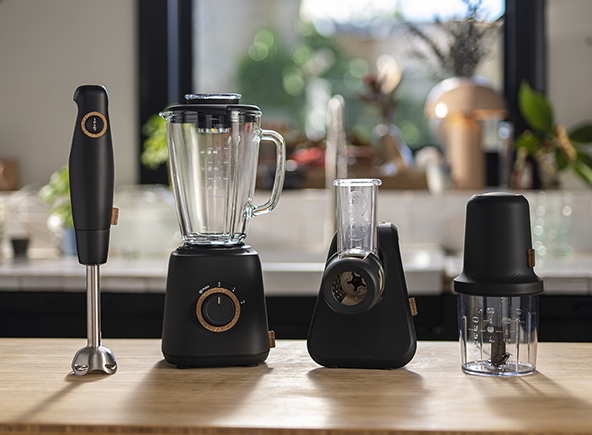
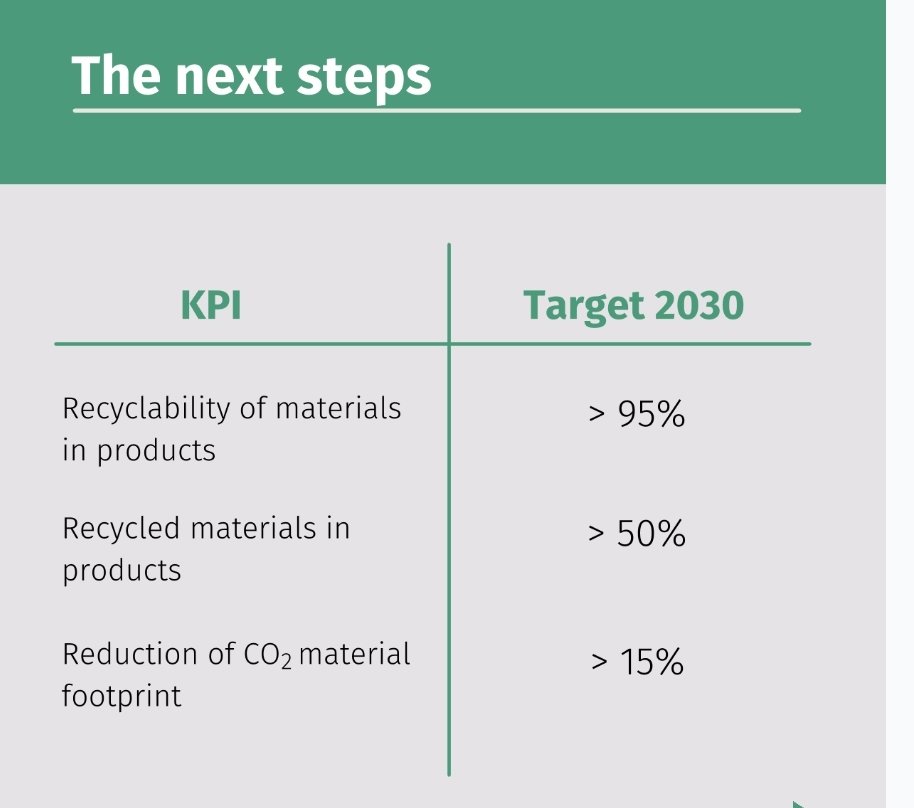
«The creation of this label embodies Groupe SEB’s long-standing commitment to eco-design said Diane Folletet, Sustainable Innovation Product Director at Groupe SEB -. With this certified label, we inform consumers about products with a lower environmental impact, without any loss in their performance or the services provided in everyday life. The ECOdesign label allows us to cover the entire product spectrum of the Group’s brands, from small domestic appliances to cookware, and to gain a global vision of our products’ environmental impact». Among the new low impact products, this autumn, Groupe SEB is launching a complete range of Moulinex-Tefal food preparation appliances in Europe, entirely manufactured in Lourdes, one of the 11 Groupe SEB factories in France. The products have a fresh and intuitive design and are made of up to 65% recycled plastic. «Recycled plastic is an essential part of the circular economy – the company explains – and can also reduce the CO2 impact by up to 70% compared to new plastic. The products are also up to 95% recyclable. To take the concept even further, the packaging is made from recycled cardboard and the printing is done with plant-based inks. The paper leaflets have been replaced by “picto” leaflets printed inside the packaging, while the plastic bags and polystyrene have been phased out»
‘Immer Besser’ – Miele’s brand promise is also the basis for Miele’s commitment to act sustainably and become the industry leader in energy efficiency and longevity. Read more about Miele climate strategy in their Sustainability Report 2021, which we published today: https://bit.ly/3vcq3bi
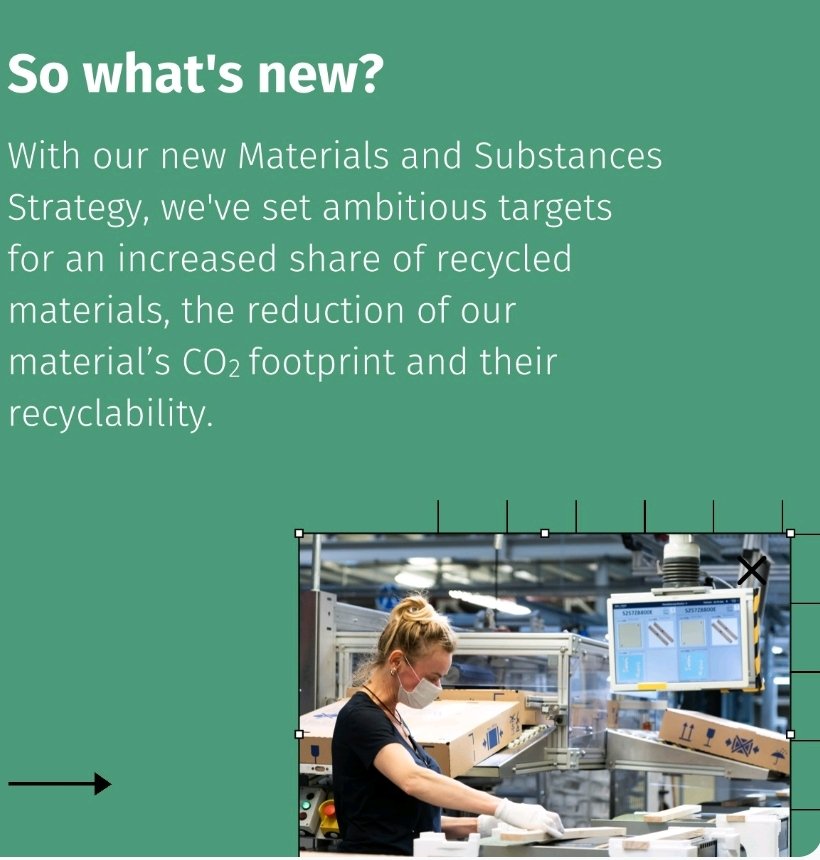
In order to really achieve a circulareconomy, Bosch have recently developed a new materials and substances strategy. But what exactly does that mean? And what are our current goals? This and much more about BSH’s commitment to sustainability and consumercentricity
Grundig launches World’s 1st FiberCatcher® washing machine to help tackle plastic pollution
Beko plc was part of the All-Party Parliamentary Group (APPG) that met at a Houses of Parliament event hosted by Alberto Costa MP, Chair of the APPG.
The APPG has published a policy paper to look at the issues surrounding Microplastics and their harmful effect on the environment. The group was made up of MPs, manufacturers, charities and NGOs – and called on government to take several steps to reduce microplastics, including mandating appliance manufacturers to incorporate microfibre filters in washing machines.
Microplastic pollution is a growing problem, with little pieces of plastic shedding from clothing during the wash cycle and entering our water sources.
Helping to solve this issue is a new and innovative appliance from Grundig. The Grundig FiberCatcher® washing machine was highlighted as a great example of a product innovating in this space. Grundig FiberCatcher® is the World’s 1st washing machine with an integrated synthetic microfibre filter that catches up to 90% of synthetic fibres released only during synthetic wash cycles, helping to protect our waterways and oceans.
The Grundig FiberCatcher® washing machine has three programmes that catch synthetic microfibres in a special integrated filter, which when full, is returned to Grundig, to then be sent to a specialist company to be recycled.
Other organisations in attendance and making a difference were the Marine Conservation Society whose ‘Stop Ocean Threads’ campaign has driven awareness and action on microfibre pollution, and The WI (National Federation of Women’s Institutes). Not only are the WI the Secretariat to the APPG, but they have been working to protect and conserve our oceans from pollution since 1927. They also launched the ‘End Plastic Soup’ campaign in 2017 to focus specifically on the issue of microplastic fibre pollution
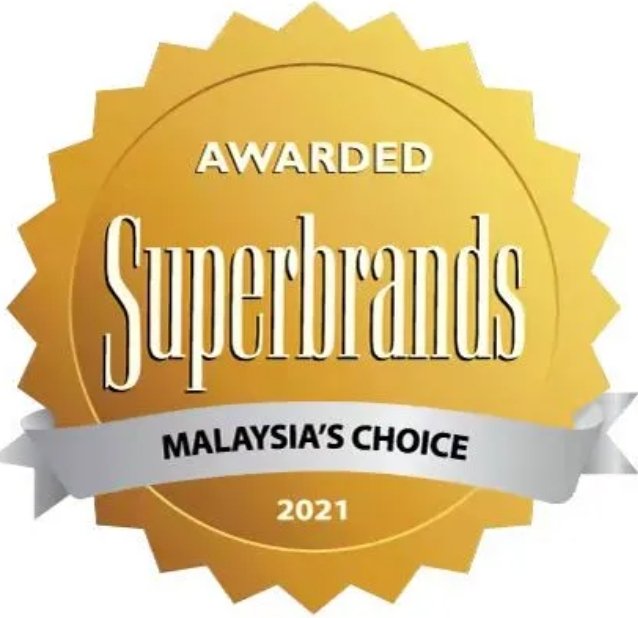
On September 9, Haier Smart Home won the 2021 Superbrands award in Malaysia. On September 22, Haier Smart Home was awarded the medals and certificates. Haier Smart Home, which entered the Malaysian market 16 years ago, has now become a premium brand favored by Malaysian users.
As a branch of Haier Smart Home, Haier Malaysia was founded in 2005. Relying on the strong global resource platform advantages of the headquarters, Haier smart home solutions and a full range of products are available in more than 1000 stores. In the past two years, Haier Smart Home has also become one of the fastest growing home appliance brands in Malaysia.
Fan Guofeng, head of Haier Malaysia, said that winning the 2021 Superbrands award is credited to the “user-centered” business philosophy. Whether it is the best-selling four-door refrigerator, the large-drum washing machine with stabler operation, or the energy-saving air conditioner featuring self-sterilization and self-cleaning, Haier Malaysia’s products have provided healthy life solutions for Malaysian families in the post-COVID-19 era, and won the trust and support of local mainstream channels.
Shouldering corporate social responsibility, Haier Malaysia has launched donations of anti-epidemic materials and daily necessities for many times to help Malaysian users tide over these difficult times.
Going forward, Haier Smart Home will continue to concentrate on the needs of Malaysian users and create an IoT ecosystem brand with the goal of premium brand transformation.