
Swiss high-end appliance manufacturer V-ZUG has delivered a solid financial performance for the first half of 2026, driven by resilient domestic demand and expanding international OEM partnerships.Net Sales: Rose 4.9% year-over-year to CHF 284.5 million.
Operating Profit (EBIT): More than doubled, reaching CHF 7.9 million (up from CHF 3.0 million in H1 2025).
International Growth: Expanded by 12.3%, supported heavily by strong demand in the North American OEM sector.
Category Archives: Domestic appliance news,
LG InstaView Refrigerators Pass 53 Million Units Sold — A Milestone Moment for Premium Cooling
LG InstaView Surpasses 53 Million Sales, Cementing Its Place in Premium Refrigeration
That’s the strongest SEO performer for this story — it front‑loads the brand, the milestone, and the category keyword.
If you want alternatives, here are three more optimised headline options, each tuned for different search intents:
– LG InstaView Hits 53 Million Units Sold as Demand for Smart Refrigeration Grows
– LG’s InstaView Door‑in‑Door™ Reaches 53M Sales Worldwide in Premium Cooling Push
– LG InstaView Milestone: 53 Million Refrigerators Sold Across Global Markets
Unox sees consolidated revenues rise to
Unox commercial oven manufacturer has closed the first half of 2026 with sustained growth across its key economic indicators, showing strength and commitment to its international development path.
In the first six months of the year, the Unox Group recorded consolidated revenues of €169m, (£144m) up by six per cent, compared to the same period in 2025.
Orders reached €185m (£158m), an increase of +17%.
Agitator Washing Machines Really Get Clothes Cleaner?
Top‑loading washing machines with agitators have been around for decades, earning a reputation as tough, no‑nonsense laundry workhorses. But with modern front‑loaders offering gentler cycles and high efficiency, many shoppers still ask the same question: do agitator washers actually clean better?The short answer: they can—depending on what you wash most often.

How Top‑Load and Front‑Load Washers Clean DifferentlyAlthough both types of machines move laundry to loosen dirt, they rely on very different mechanical actions:Top‑load washers use either an agitator (a central post) or an impeller (a low-profile disc) to physically move clothes around the drum. This creates a more forceful scrubbing motion.Front‑load washers rotate the drum horizontally, lifting and tumbling garments through water and detergent. Cleaning relies more on soaking, gentle agitation, and consistent water movement.Both methods are effective—but they suit different fabric types and laundry habits.Why Agitator Washers Still Have Loyal FansAgitator-equipped machines remain popular because they excel at cleaning sturdy, heavily soiled items. The vigorous movement helps break apart dirt and stains on:DenimTowelsWork uniformsOutdoor clothingMuddy sports kitsPet beddingModern agitator designs are also far gentler than older models, thanks to improved motor control and wash algorithms.Agitator washers often deliver:Shorter wash timesFamiliar controls and layoutStrong mechanical cleaning for tough loadsAre They Better Than Front‑Loaders?Not universally. Appliance experts agree that “better” depends on what you wash most often.Front‑load machines can clean just as effectively, but they do so with:Longer soak periodsControlled tumblingSteady water flow rather than aggressive scrubbingThis makes front‑loaders ideal for:DelicatesKnitwearSilkSynthetic fabricsEveryday shirtsActivewearTextured or easily snagged materialsIf your wardrobe leans toward finer fabrics, a front‑loader is usually the safer choice.Which Washer Type Fits Your Laundry Routine?Best for Top‑Load (Agitator or Impeller)DenimPet beddingHeavily soiled outdoor gearMuddy work or sports uniformsTowelsWashable shoesBulky blankets and comfortersStandard cotton itemsBest for Front‑LoadDelicatesSynthetic fabricsKnitwearSheer or textured fabricsSilkEveryday shirtsActivewearLight jacketsThe Bottom LineAgitator washers do provide more aggressive cleaning action, making them ideal for households dealing with tough, dirty loads. But that doesn’t make them universally superior. Front‑loaders offer excellent cleaning performance with far gentler fabric care.Choosing the right machine comes down to your laundry habits, your wardrobe, and how much mechanical action your fabrics can tolerate.If you want, I can also produce:a shorter version for quick-read blog postsa SEO‑optimised version with keywords for UK appliance shoppersa comparison chart for readers choosing between washer typesJust tell me which direction you’d like next.
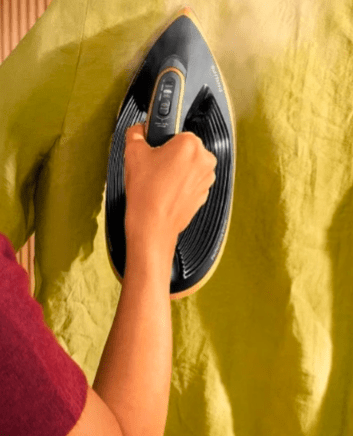
Philips introduces its new Series 8000 steam generator: power, precision and smart control
Philips has expanded its garment‑care portfolio with the launch of the Series 8000 steam generator, a model positioned around high steam performance, fabric safety and ease of use for busy households.
High‑pressure steam performance
The Series 8000 delivers 9 bars of pressure with a pressing boost up to 850 g, giving users the firepower needed for thicker fabrics and demanding laundry loads. Philips’ OptimalTemp technology maintains the correct temperature automatically, removing the risk of scorching on any ironable textile.
Intelligent steam dosing
Motion sensors enhanced with AI‑driven detection adjust steam output depending on how the iron is being moved—whether horizontally on the board or vertically for quick touch‑ups. The SteamGlide Elite soleplate, finished with a nano‑titanium coating, ensures smooth glide and strong scratch resistance.
Designed for everyday convenience
A foldable handle and dedicated cord‑storage space make the unit easy to tidy away, supporting a cleaner, more organised home environment. Safety is also built in: the appliance switches off automatically after a few minutes of inactivity.
Hygiene and efficiency
Philips highlights the hygienic benefits of high‑temperature steam, capable of eliminating up to 99.9% of bacteria on household textiles. An Eco mode cuts energy consumption by around 50%, while the 1.4 L water tank provides up to an hour of uninterrupted use.
Maintenance is handled by Easy De‑Calc, which continuously captures limescale to preserve steam performance and extend the life of the appliance.
Groupe SEB Reports H1 2026 Recovery
Groupe SEB wants you to know their H1 2026 results are back in the green. Thanks to a new “Rebound plan,” the owner of Tefal, Rowenta, and Moulinex is reporting solid cash flow, simplified operations, and confirmed full-year growth. CEO Stanislas de Gramont expressed confidence in the group’s resilience despite tough global market conditions.
Forget Keeping Milk Chilled — Japan Is Now Selling Refrigerators for Humans
When you think of white goods, standard kitchen appliances like frost-free freezers, smart dishwashers, and French-door fridges usually come to mind. Japanese engineering, however, just took appliance cooling technology to a whole new level.
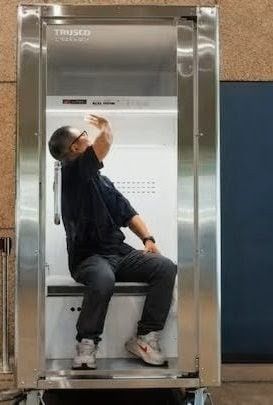
Meet the Do Hiemon Box, a standalone, personal walk-in cooling booth designed not to store groceries, but to rapidly lower human body temperature during extreme heatwaves.Developed by Japanese refrigeration specialist SDRS and distributed by industrial supplier Trusco Nakayama, the unit draws direct mechanical inspiration from Japan’s iconic refrigerated vending machines. Standing roughly 2 metres tall on caster wheels, it is a single-person, stainless-steel cabin equipped with a glass door and an internal seat.
Rather than cooling an entire room like a traditional air conditioner, the booth focuses localized, high-efficiency refrigeration straight onto the body.
Smeg UK Reports 9.3% Revenue Growth as Cooking & Coffee Strategy Pays Off
Smeg UK has delivered a confident performance for 2025, recording 9.3% year‑on‑year revenue growth and a 20% uplift in profit, according to newly published figures. The business reached £73.7 million in revenue and £1.54 million in profit,
Blueair coolDrift
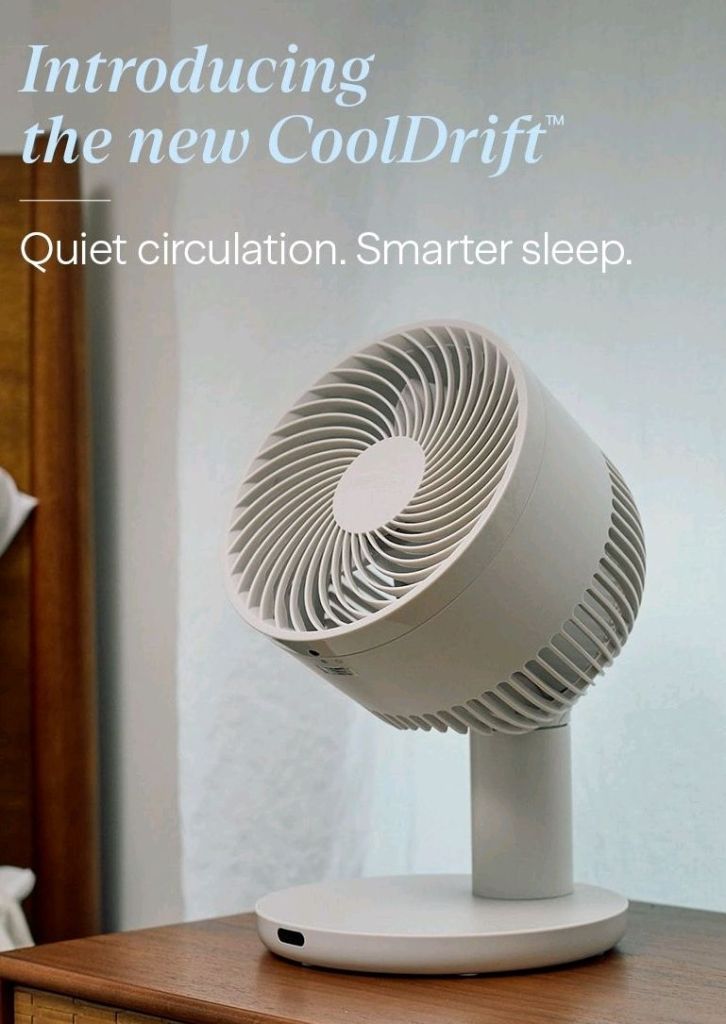
Blueair introduced their latest innovation: CoolDrift™, the new air circulator fan designed with sleep science in mind for the ultimate restful experience.
Combining exceptional cooling performance with one of the quietest fan experiences on the market, CoolDrift is the only tabletop fan with science-backed Smart Modes, developed in collaboration with our wellness expert to help you fall asleep faster, stay asleep longer, and wake up feeling refreshed.
BSH Reaffirms Its Commitment to the Right to Repair — What It Means for the Appliance Sector
The Right to Repair movement continues to gather momentum across Europe, and BSH is positioning itself firmly at the centre of the conversation. In a recent update shared by the company, BSH reiterated its long‑term commitment to repairability, spare‑part availability and sustainable product lifecycles — signalling a clear direction of travel for the wider white goods industry.
The Sector View
Across the industry, manufacturers are responding to regulatory pressure and consumer demand with varying levels of ambition. BSH’s proactive stance places it among the leaders pushing for a repair‑friendly future — one that balances innovation with responsibility.
For retailers and trade professionals, the takeaway is clear: repairability is no longer a compliance box to tick. It’s a competitive differentiator.

