
Whirlpool has kicked off the year with a wave of new launches, unveiling its Suite W Collection of built‑in ovens and induction hobs, along with the highly automated SenseWash washing machine. The lineup leans heavily into the “silent luxury” aesthetic, pairing minimalist design with advanced technology.
Suite W Collection: premium ovens with smart cooking features
At the top of the range sits the W9 built‑in oven, equipped with a three‑level steam injector, an airfry mode, and a high‑temperature setting that reaches 310°C. The collection also introduces a compact 5‑in‑1 oven—45 × 55 × 54 cm—with an impressive 52‑litre capacity, the largest in its class. It supports cooking on three levels and combines convection, microwave, steam, crisp, and crispfry functions, the latter offering air‑fryer‑style results without added oil.
Both ovens feature Whirlpool’s new patented self‑supporting probe, accurate to the degree. Paired with 6th Sense technology and 73 built‑in recipes, it promises consistently precise results. To highlight these capabilities, Whirlpool has teamed up with chef and former Top Chef contestant Thibaut Spiwack, who has created a series of recipes tailored to the appliances.
Induction hobs built for durability and flexibility
Whirlpool’s new induction hobs adopt a matte MattProtect finish, using glass that is three times more resistant to halos, scratches, and impacts than standard ceramic surfaces. They include Flexicook zones with automatic pan detection and 6th Sense functions for effortless melting and warming.
The new HeatControl cooktop adds a minimalist twist: its control panel disappears when the hob is off. Its standout feature is HeatControl technology, which maintains a precise, stable temperature inside cookware. Like the MattProtect models, it also supports 6th Sense and Flexizone cooking.
SenseWash: a smarter, more efficient washing machine
Rounding out the announcements is the SenseWash washing machine, engineered to cut energy use by 50% below the minimum required for class A. A network of sensors analyses load size, fabric type, and soil level to automatically optimise each cycle. AutoDose technology dispenses the right amount of detergent, while a 20‑minute steam refresh program offers quick garment care.
Wi‑Fi connectivity enables remote control through the HomeWhiz app, which unlocks additional specialised cycles. These programs evolve over time based on user feedback, and the app also provides real‑time energy‑consumption monitoring.
Category Archives: Domestic appliance news,
Groupe SEB,sharp decline
Groupe SEB, the company behind household names such as Tefal, Rowenta, and Moulinex, has reported a sharp decline in its 2025 financial results. Operating profit dropped to €601 million, a fall of 25% year‑on‑year, weighed down by US tariffs, currency headwinds, and a tough comparison base in its professional catering division. In response, the group has unveiled a major restructuring plan that includes significant job cuts across Europe—up to 500 positions in France alone.
The company generated €8.169 billion in revenue in 2025, representing modest organic growth of 0.3%. However, this slight increase failed to translate into profitability: operating profit fell from €802 million to €601 million, pushing the margin down from 9.7% to 7.4%.
CEO Stanislas de Gramont noted that strong innovation, growth in floor care, laundry care, and cookware, and rising online sales were “not enough to offset significant cyclical disruptions.”
Three main factors drove the downturn:
– US tariffs prompted distributors to scale back orders, with sales plunging 11% in Q2 and 14% in Q3.
– A stronger euro against emerging‑market currencies reduced profit by around €40 million.
– The professional equipment division lacked a major contract comparable to a large 2024 deal in China, costing a further €40 million.
Despite the difficult year, the final quarter brought signs of recovery. Groupe SEB achieved a 13.3% margin in Q4, US sales rebounded by 4.7%, and the dividend was maintained at €2.80 per share.
A Restructuring Plan Affecting Up to 2,100 Jobs
To restore profitability, the company is launching its Rebound Plan, targeting €200 million in annual savings by 2027. Measures include reduced purchasing costs, factory optimisation, and streamlined administrative structures.
This transformation will come with a heavy social cost: up to 2,100 jobs could be cut worldwide, including 1,400 in Europe and around 500 in France, mostly through voluntary departures. The restructuring will cost €200–250 million, largely impacting 2026 results.
Net debt rose to €2.34 billion, partly due to a €189.5 million fine from the French Competition Authority. Groupe SEB aims to reduce its debt ratio to around 2× EBITDA by 2027, down from 2.7× today.
Regional Performance: Europe Steady, China Recovers, South America Struggles
Europe delivered growth across most markets, with strong momentum in Eastern Europe—particularly Poland and the Czech Republic, driven by air fryers and coffee machines. Germany was the main exception, with declines in electric cooking appliances.
In China, sales grew 2.7% organically, marking a return to positive momentum. Subsidiary Supor continued to expand its presence on social platforms, which now represent 25% of its online sales.
South America faced a tougher year. The La Niña weather pattern cooled temperatures in Brazil, reducing demand for fans and contributing to a 6% regional sales decline.
CEO Stanislas de Gramont remains confident: “The strengths of our strategic model and the Rebound Plan reinforce our ambition of achieving 5% annual organic growth and an operating margin of 10%, moving toward 11% in the medium term
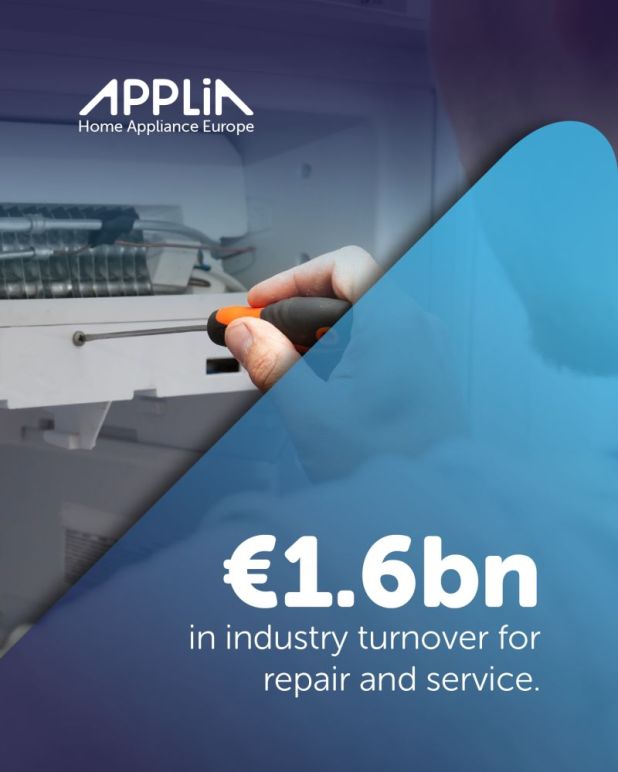
Repair Is the New Normal: The Case for an EU Circularity Action Plan
Circularity is often framed as a long‑term goal, but in reality, it’s already happening—and at scale.
Across the home appliance sector, hundreds of millions of products are repaired, maintained, and kept in use every single year. Instead of being discarded, they’re given a second life.
This ecosystem doesn’t happen by accident. It relies on strong repair networks, accessible spare parts, solid warranties, and product designs that make repair both possible and worthwhile. Today, appliance repair and servicing has grown into a billion‑euro industry of its own. 🛠
This is circularity in action: not asking consumers to change their behaviour, but creating better products and smarter systems that naturally support longer lifespans.
To build on what already works for consumers, Europe now needs an EU Action Plan for the Home Appliance Industry—one that champions repairability, durability, and fair competition.
👉🏼 Explore the campaign and proposals:
E.G.O new Polish plant
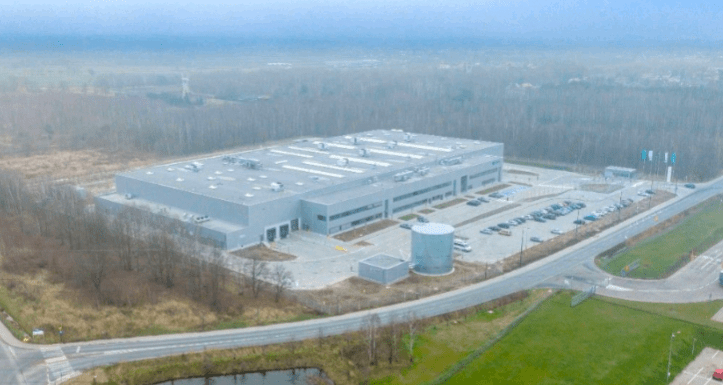
The relocation is complete! As planned, the E.G.O.-Group has moved into the new Polish plant in Łódź. The modern production facility of E.G.O. Polska Sp. z o.o. currently has a usable area of 15,000 square meters. This provides sufficient space for future growth and expansion.
Around 300 employees in Łódź produce electronic systems for dryers, washing machines, refrigerators, coffee machines, dishwasher panels, and induction heating elements.
Panasonic exits refrigerators and washing machines
Panasonic has officially pulled out of the refrigerator and washing machine categories in India, ending years of low sales and mounting losses. With market shares of just 0.8% in fridges and 1.8% in washing machines, the company struggled to compete in a crowded, price‑sensitive segment.
This exit is part of Panasonic’s global restructuring, allowing the brand to shift focus toward HVAC, B2B solutions, and smart home technologies—areas with stronger growth and profitability.
Panasonic says it will continue to support existing customers with service and spare parts, while helping dealers clear remaining stock.
The move highlights a broader trend in India’s appliance market: global brands are prioritising high‑margin, tech‑driven categories over traditional white good
Arçelik Confirms CEO Transition as Hakan Bulgurlu Steps Down After 11 Years
Arçelik has announced a major leadership change, confirming that long‑serving CEO Hakan Bulgurlu will step down after more than a decade leading Beko and 32 years within the Koç Group.
Bulgurlu will be succeeded by Can Dinçer, who currently serves as General Manager of Arçelik Türkiye and Chief Commercial Officer for South Asia and Turkey. The transition is scheduled to take effect following the company’s next Annual General Meeting.
To ensure continuity, Bulgurlu will remain on the Board of Directors of Beko BV until June 2026, supporting a smooth handover. He will also continue in his role as President of APPLiA Europe, the association representing the European home appliance industry, until the end of his term.
This marks one of the most significant leadership shifts in the sector this year, positioning Dinçer to guide Arçelik through its next phase of global growth and innovation.
Arçelik Unveils ThermoGurme: A New Era of Smart Cooking Technology
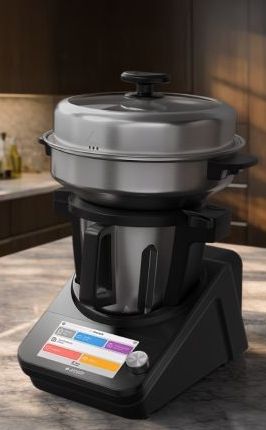
For 70 years, Arçelik has placed technology at the heart of everyday life, consistently prioritizing innovation to shape the future of home appliances. This legacy continues with the introduction of ThermoGurme, the brand’s groundbreaking smart food processor, showcased at “The Kitchen”—Arçelik’s immersive experience space located within the Bolu Cooking Appliances Plant.
A Vision of the Future, Built Into One Device
ThermoGurme represents more than a new product launch; it embodies Arçelik’s forward‑looking vision for kitchen technology. Designed as an intelligent cooking ecosystem, the device manages the entire culinary journey—from preparation to cooking—within a single, seamless platform.
Key features include:
– 30 automatic programs that bring professional‑level precision into the home
– High‑accuracy temperature control ranging from 37°C to 150°C
– Wi‑Fi connectivity that unlocks a rich digital recipe world
– Multi‑functional design capable of preparing four different dishes simultaneously
This combination of engineering excellence and user‑centric design transforms ThermoGurme into both a reliable kitchen companion and a tool that expands creative freedom for home cooks.
Technology That Simplifies, Inspires, and Elevates
ThermoGurme is built to simplify complex kitchen processes, making advanced cooking techniques accessible to everyone. Whether you’re experimenting with new recipes or streamlining everyday meals, the device blends smart solutions with intuitive functionality.
Arçelik continues to push boundaries by integrating inspiration, technology, and intelligent solutions into the modern kitchen—empowering users to cook with confidence and creativity
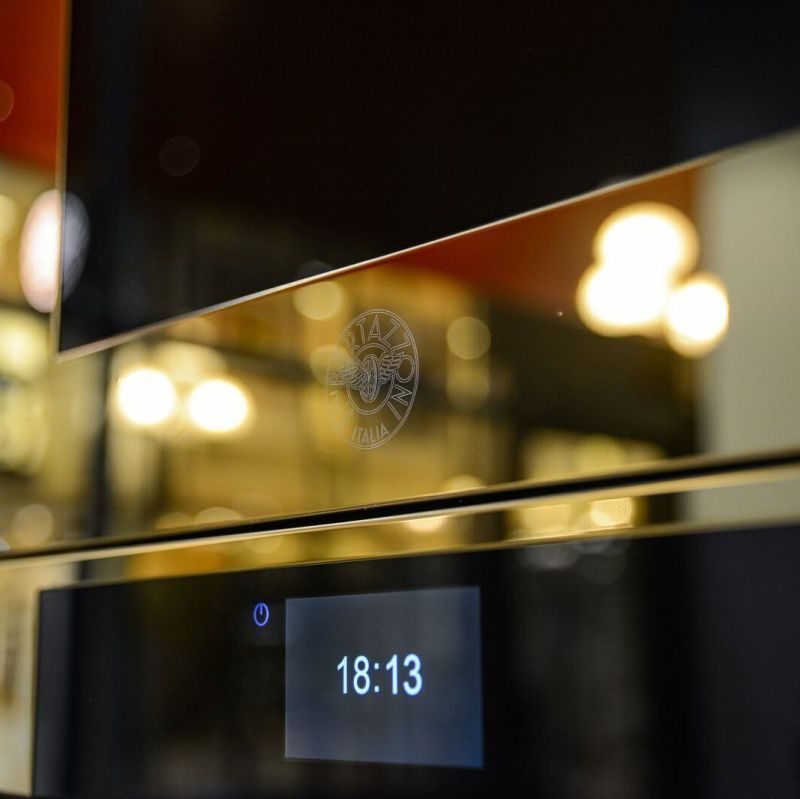
Bertazzoni Unveils Striking Mirror Finishes for Its Modern Series Built‑In Ovens
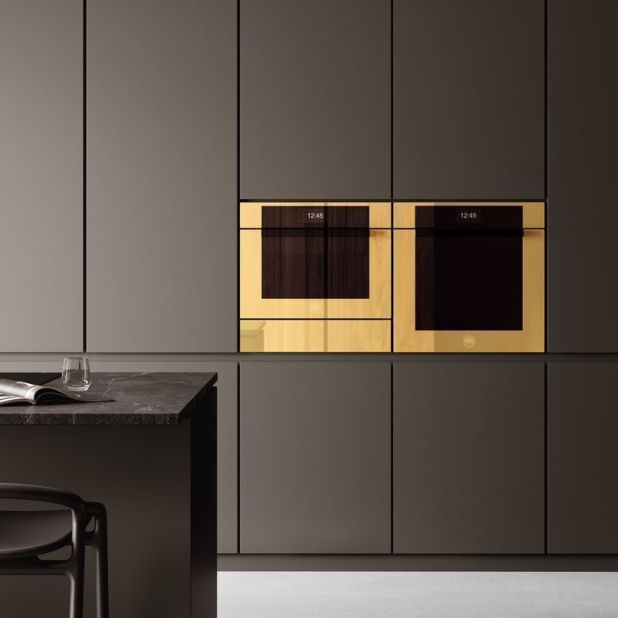
Bertazzoni is raising the bar in premium kitchen design with a bold new aesthetic: Mirror finishes for the built‑in ovens of its Modern Series. Available in Gold, Bronze and Obsidian, these new surfaces introduce a fresh visual language to contemporary kitchens—one that blends luxury, innovation and engineering precision.
A First in the Appliance Industry
What sets this launch apart is not just the look, but the technology behind it.
Bertazzoni has become the first appliance manufacturer to apply Physical Vapor Deposition (PVD) to oven surfaces—an advanced steel‑processing technique typically reserved for high‑end architectural and design applications.
This method creates an ultra‑reflective, mirror‑like finish that is:
- Highly resistant to scratches
- Durable against wear over time
- Visually striking from every angle
The result is a surface that maintains its brilliance while standing up to the demands of everyday cooking.
Where Engineering Meets Art
By combining PVD technology with the brand’s signature craftsmanship, Bertazzoni has created a finish that transforms the oven into a true design statement. Light interacts with the reflective surfaces to create depth and dimension, while the precision‑engineered structure ensures the appliance performs as beautifully as it looks.
These new Mirror finishes give Bertazzoni’s iconic Modern Series a refined, architectural presence—perfect for homeowners and designers seeking a kitchen that feels both sophisticated and contemporary.
LG Introduces Fit & Max: A New Generation of Space‑Smart, Style‑Driven Fridge-Freezers
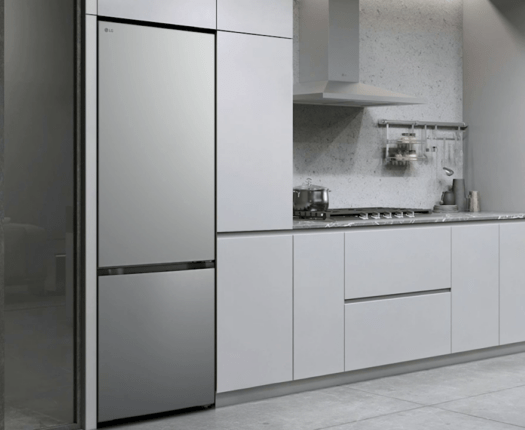
LG is expanding its refrigerator-freezer lineup with the launch of the new Fit & Max series, designed to combine generous capacity with a sleek, built‑in look. The range comes in 60 cm and 70 cm widths, each available in 2 m and 1.8 m heights, and offered in a selection of modern colours to suit different kitchen styles.
Clean Lines, Smarter Design
A standout feature of the Fit & Max collection is its flush-fit installation, which creates a seamless, minimalist aesthetic. LG’s Zero Clearance hinges allow the doors to open up to 110° without requiring extra side space—eliminating the typical gap between the appliance and the wall. Thanks to a double-hinge system, the doors stay perfectly aligned with the fridge body even when fully open. The look is completed with refined Metal Fresh interior finishes.
More Space Than Meets the Eye
Despite their standard footprint, the Fit & Max models offer impressive storage capacity:
- 465 litres in the 70 cm versions
- 375 litres in the 60 cm versions
Inside, the layout is flexible and thoughtfully organised. Adjustable shelves accommodate larger containers, while a bottle rack, space‑saving drawers, and My Box—a retractable, anti‑odor drawer ideal for cheese—add practical versatility.
AI‑Driven Efficiency
LG equips the range with its AI Inverter Compressor, which learns daily usage patterns to maintain stable cooling performance while reducing energy consumption. Smart features such as AI Fresh and AI Saving Mode automatically adjust the temperature by 1°C depending on how frequently the doors are opened, helping optimise efficiency throughout the day.
Freshness Technologies Working Together
The Fit & Max series integrates LG’s signature freshness systems:
- Door Cooling+ rapidly cools the door area to prevent cold air loss.
- Linear Cooling minimizes temperature fluctuations inside the fridge.
- Fresh Balancer and Fresh Converter drawers fine‑tune humidity and temperature based on the type of food stored.
Energy Performance and Smart Control
Throughout the year, models in the Fit & Max lineup will reach high energy ratings, up to A‑40%. For added convenience, the entire range supports remote control and monitoring via the LG ThinQ app, allowing users to manage settings and receive alerts directly from their smartphone.
Nearly 40 Bids Submitted for Brandt’s Assets Two Months After Liquidation
Two months after the liquidation of French appliance manufacturer Brandt, the Nanterre Commercial Court has received 36 takeover bids, according to reports from L’Informé and BFMTV. The offers cover a wide range of the group’s assets, including factories, brands, and an inventory of more than 172,000 household appliances.
Major Retail and Manufacturing Groups Step In
Several well-known players in the home and appliance sector have expressed interest:
– Fnac-Darty has submitted a €2.9 million bid to acquire Brandt’s brands and remaining stock.
– Fournier Group—owner of SoCoo’c, Mobalpa, Hygena, and Perene—has offered €500,000 specifically for the Sauter brand.
– Discount retailer Noz, known for buying liquidation stock (including Habitat’s unsold goods two years ago), has made a €4.5 million offer solely for Brandt’s inventory.
– Polish manufacturer Amica, active in 50 countries with over 300 employees, has proposed €2.5 million to acquire both the Brandt and Sauter brands.
Only Four Bids Include Employee Retention
Out of nearly 40 proposals, just four include plans to retain Brandt employees.
One of the most significant comes from the Île-de-France region and the Cergy-Pontoise municipality, which aim to take over the Saint-Ouen-l’Aumône factory and continue producing household appliances there. Public authorities have pledged €15 million to support the project.
Another bid comes from Stephan Français, head of Metavisio, who proposes keeping 150 employees by expanding the site’s production to include IT hardware—Metavisio notably manufactures Thomson computers. His offer totals €4 million, including €1.75 million for trademarks and patents.
Additional Local Offers
Two smaller proposals have also been submitted:
– The Orléans metropolitan area has offered €300,000 for Brandt’s brands.
– Dishwasher startup EverEver, which manufactures in France, has bid €25,000 for the Vendôme factory.
What Happens Next?
All bids are now under review by the court, Brandt’s administrators, and the Ministry of the Economy, which stated immediately after the liquidation that it would be “closely monitoring the case.”
 WHITEGOODSNOW