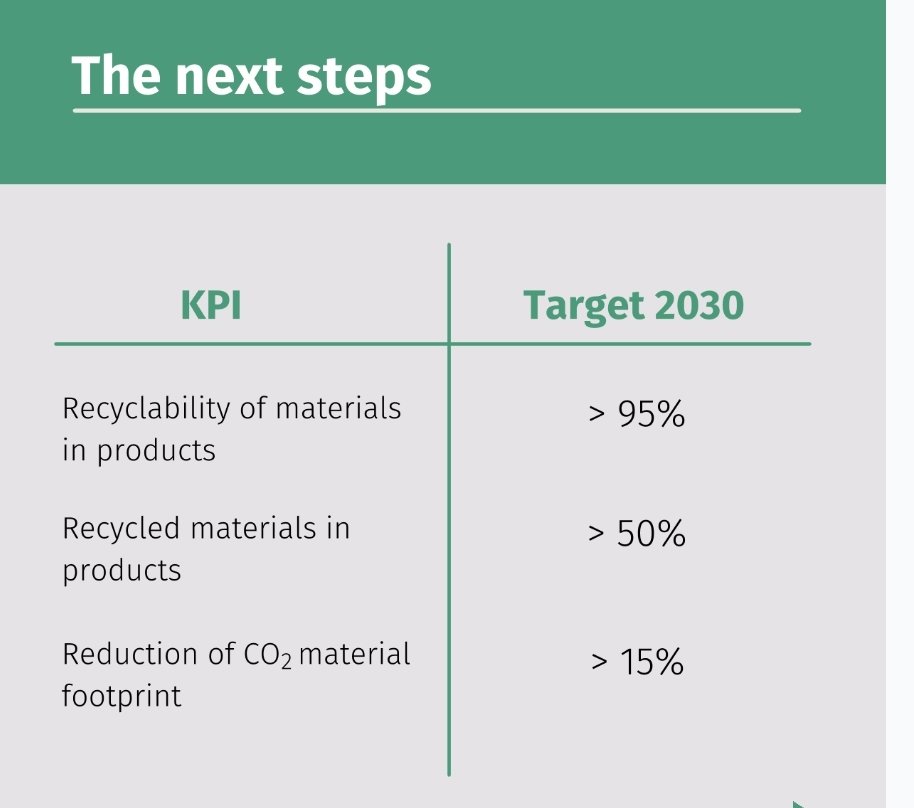
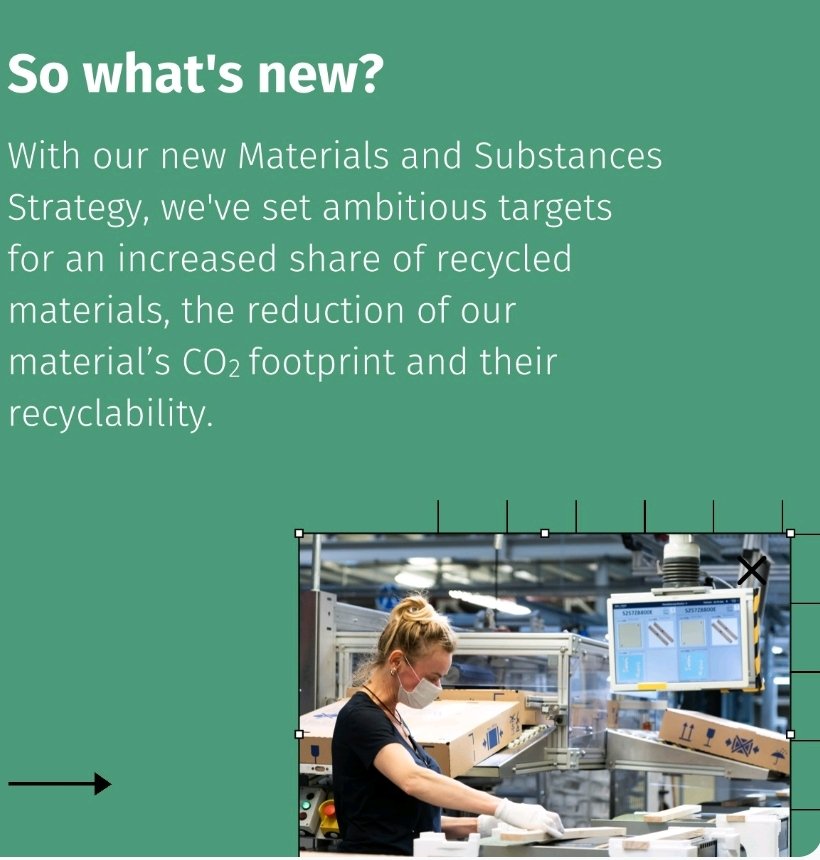
In order to really achieve a circulareconomy, Bosch have recently developed a new materials and substances strategy. But what exactly does that mean? And what are our current goals? This and much more about BSH’s commitment to sustainability and consumercentricity
Grundig launches World’s 1st FiberCatcher® washing machine to help tackle plastic pollution
Beko plc was part of the All-Party Parliamentary Group (APPG) that met at a Houses of Parliament event hosted by Alberto Costa MP, Chair of the APPG.
The APPG has published a policy paper to look at the issues surrounding Microplastics and their harmful effect on the environment. The group was made up of MPs, manufacturers, charities and NGOs – and called on government to take several steps to reduce microplastics, including mandating appliance manufacturers to incorporate microfibre filters in washing machines.
Microplastic pollution is a growing problem, with little pieces of plastic shedding from clothing during the wash cycle and entering our water sources.
Helping to solve this issue is a new and innovative appliance from Grundig. The Grundig FiberCatcher® washing machine was highlighted as a great example of a product innovating in this space. Grundig FiberCatcher® is the World’s 1st washing machine with an integrated synthetic microfibre filter that catches up to 90% of synthetic fibres released only during synthetic wash cycles, helping to protect our waterways and oceans.
The Grundig FiberCatcher® washing machine has three programmes that catch synthetic microfibres in a special integrated filter, which when full, is returned to Grundig, to then be sent to a specialist company to be recycled.
Other organisations in attendance and making a difference were the Marine Conservation Society whose ‘Stop Ocean Threads’ campaign has driven awareness and action on microfibre pollution, and The WI (National Federation of Women’s Institutes). Not only are the WI the Secretariat to the APPG, but they have been working to protect and conserve our oceans from pollution since 1927. They also launched the ‘End Plastic Soup’ campaign in 2017 to focus specifically on the issue of microplastic fibre pollution
On September 9, Haier Smart Home won the 2021 Superbrands award in Malaysia. On September 22, Haier Smart Home was awarded the medals and certificates. Haier Smart Home, which entered the Malaysian market 16 years ago, has now become a premium brand favored by Malaysian users.
As a branch of Haier Smart Home, Haier Malaysia was founded in 2005. Relying on the strong global resource platform advantages of the headquarters, Haier smart home solutions and a full range of products are available in more than 1000 stores. In the past two years, Haier Smart Home has also become one of the fastest growing home appliance brands in Malaysia.
Fan Guofeng, head of Haier Malaysia, said that winning the 2021 Superbrands award is credited to the “user-centered” business philosophy. Whether it is the best-selling four-door refrigerator, the large-drum washing machine with stabler operation, or the energy-saving air conditioner featuring self-sterilization and self-cleaning, Haier Malaysia’s products have provided healthy life solutions for Malaysian families in the post-COVID-19 era, and won the trust and support of local mainstream channels.
Shouldering corporate social responsibility, Haier Malaysia has launched donations of anti-epidemic materials and daily necessities for many times to help Malaysian users tide over these difficult times.
Going forward, Haier Smart Home will continue to concentrate on the needs of Malaysian users and create an IoT ecosystem brand with the goal of premium brand transformation.
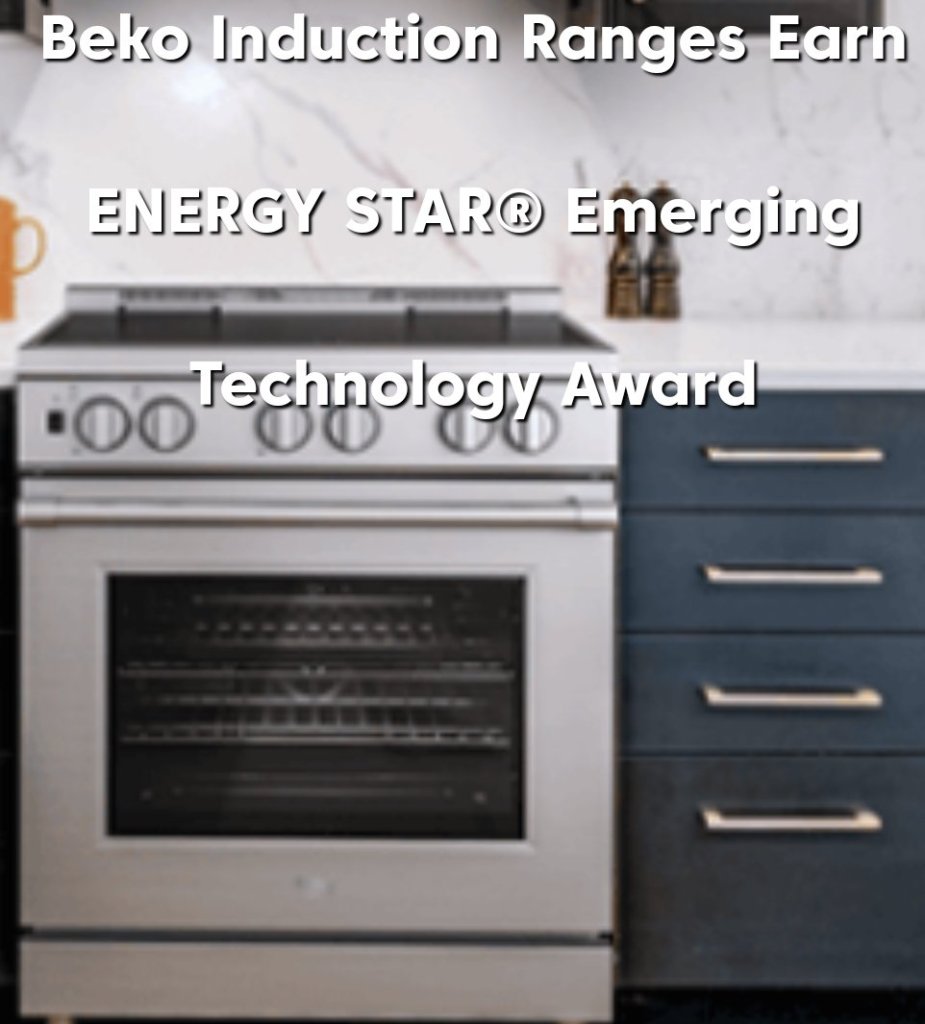
Beko Home Appliances USA recently received the 2021 ENERGY STAR® Emerging Technology Award for their induction ranges! Not only have they been tested to have an integrated annual energy consumption of less than or equal to 125 kWh/year but they also only include induction heating technology in the ranges . Congrats Beko on this fabulous accomplishment!
Bsh goes with its ambitious programs of decarbonizing its value chain. The company first sourced green steel from Salzgitter Flachstahl GmbH in September 2021, thereby reducing its CO2 footprint by more than 66%. Low CO2 steel is to be initially used for mounting brackets in washing machine production at BSH’s Lodz plant in Poland. This is another step on the way to achieving BSH’s ambitious sustainability goals. For Salzgitter AG, the production and market launch of green strip steel is an integral component of its decarbonization strategy.
Bsh’s development and manufacturing processes at its locations all over the world have been CO2 neutral since the end of 2020. «In comparison with 2018 – Bsh Chief Operations Officer Silke Maurer said – we want to shave 15% off our Scope 3 CO2 footprint generated by procuring raw materials and parts, as well as through household appliance usage. In a bid to achieve this, we have always offered our consumers particularly energy efficient products. We are now looking very carefully at areas where we have less of a direct impact, such as the production of raw materials and the recycling of products, for instance. Therefore I am absolutely delighted that we are now able to make decisive progress in decarbonizing the value chain together with Salzgitter AG».
Moreover, the recycling of raw materials and products is major lever for BSH in its endeavors to minimize waste and conserve resources. Consequently, the company is increasingly offering circular business models as well, which enable consumers to rent household appliances or share them. After utilization, the appliances are returned, recycled for reuse and, at the end of the product life cycle, recycled in an environmentally compatible manner. Steel, for example, is subsequently melted down in Salzgitter AG’s electric arc furnaces at its Peine location.
The U.S. Environmental Protection Agency (Epa) assiegned to Beko Home Appliances, a subsidiary of global consumer durable company Arçelik, with the 2021 Energy Star® Emerging Technology Award for its induction ranges. With this award, every product category for Beko has now been recognized by the Epa as Energy Star® approved and is contributing to reduced emissions and helping create a healthier environment.
The award-winning and lab-accredited Beko induction ranges have demonstrated that they include induction heating technology and have been tested to have an integrated annual energy consumption of less than or equal to 125 kWh/year. The 30” Stainless Steel Pro-Style Induction Range – part of the PRIR34450SS model family – is available in the U.S. and has met rigorous performance criteria to reduce energy use and lower greenhouse gas emissions as determined by the EPA.
Induction cooking zones allow these models to be the source of the heat themselves, warming internally and transferring energy with approximately 85% efficiency and adds an energy efficiency benefit by reducing the workload for the Hvac equipment. The surface remains cool to the touch making cooking safer and desired temperatures reached quicker – providing faster cooking times for families.
«We are honored to receive the Emerging Technology Award from the EPA, solidifying Beko’s commitment to creating high-quality products that benefit the health of the consumer and planet – said Salih “Sazi” Bugay – director of marketing and product management. “Induction ranges serve as an efficient and safe pillar in American kitchens, where cooking without a flame remains in style and holds a solid place in the future of cooking.»
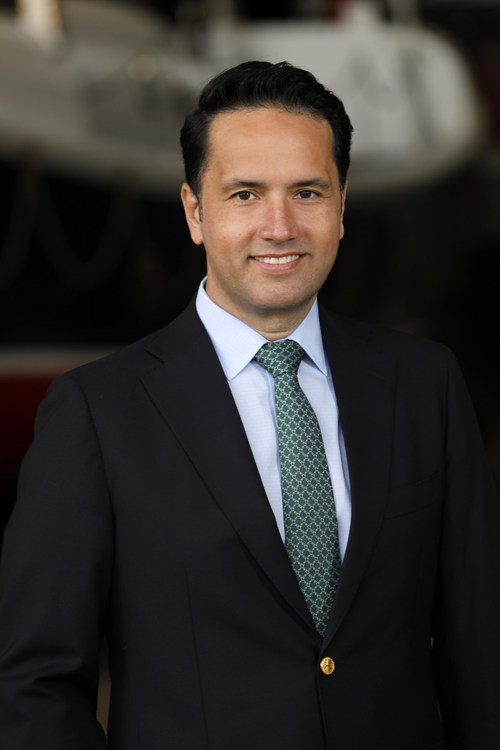
Arçelik A.Ş. (IST: ARCLK) (“Arçelik”), the global leading consumer durables and electronics manufacturer, has announced that Polat Şen, the Chief Financial Officer (CFO) of Arçelik has joined the UN Global Compact CFO Taskforce. With 60 members across 23 industries and five regions, the CFO Taskforce aligns UN’s Sustainable Development Goals (SDGs), the corporate sustainability commitments to credible finance strategies with the intention of producing real world impact through long-term sustainable change.
Arcelik CFO Polat Sen
The CFO Taskforce has a collective market cap of 1.7 trillion and grants the CFOs a unique position to reshape the future of global corporate finance and investment for growth, social impact and ultimately SDGs investment. Coming together at the UN’s General Assembly week commencing the 21st September, financial leaders from all around the world, will discuss and develop action plans to solve today’s environmental and social challenges. As one of the members of the task force, Arçelik has made great strides in its sustainability journey, instigating long-term positive change and contributing to the SDGs.
This announcement follows Arçelik’s Green Bond issuance in May 2021, where the business launched the first of its kind, from a Turkish industrial company in the international market. Using the bond, included in Arçelik’s Green Financing Framework, the company is financing its Eligible Green Projects that include energy-efficient, eco-efficient and circular economy adapted products and the promotion of energy efficiency in production. The Green bond is also funding the company’s sustainable water resources and wastewater management, pollution prevention control, renewable energy, and green buildings initiatives. This further demonstrates Arçelik’s commitment to sustainability and leadership in the industry for such an initiative.
Polat Şen, CFO, Arçelik said:
“It’s a great honour to join the UN Global Compact CFO Taskforce. At Arçelik, we see sustainability as a business strategy that needs to be incorporated into the heart and mind of business and this initiative looks to achieve that. Joining fellow CFO’s intent on making positive change, I believe it will be a great opportunity to learn from and collaborate with business leaders. From financial frameworks to investment decisions, we can be a catalyst for positive change and investment.”
About Arçelik
With over 40,000 employees throughout the world, Arçelik’s global operations include sales and marketing offices in 48 countries, and 28 production facilities in 9 countries and 12 brands (Arçelik, Beko, Grundig, Blomberg, ElektraBregenz, Arctic, Leisure, Flavel, Defy, Altus, Dawlance, Voltas Beko). As Europe’s second largest white goods company by market share (based on volumes), Arçelik’s consolidated revenue reached US$4.3 Billion in 2020. Arçelik’s 30 R&D and Design Centers across the globe, are home to over 1,700 researchers and hold more than 3,000 international patent applications to date. Arçelik is named the “Industry Leader” in the Durable Home Appliances category for the 2nd year in a row in Dow Jones Sustainability Index 2020 and, in accordance with PAS 2060 Carbon Neutrality Standard, became carbon-neutral in global production plants in 2019 and 2020 fiscal years with its own carbon credits. Arçelik’s mission is ‘Respecting the World, Respected Worldwide
The UK’s All-Party Parliamentary Group (APPG) on Microplastics has published its first report, calling for new rules which would require washing machine manufacturers to fit microfibre filters by 2025.
Such mechanisms, which are to be required by law in France by 2023, have proven up to 90 per cent effective in stemming the flow of textile microfibre emissions.
Alberto Costa, the Conservative MP which assembled the APPG, told The Guardian: “This is a sensible, reasonable and cost-effective measure. The key to this [push from the new group] was getting manufacturers on board, and they agree this can be done with little expense to consumers.”
The use of recycled materials is part of LG’s larger project to create a recovery ecosystem for electronic waste. And to increase the use of post-consumer recycled (PCR) materials in its consumer electronics and home appliances products.
For LG 10 times as much by 2025
LG used approximately 20,000 tonnes of recycled plastic in its products in 2020, and plans to increase this number more than 10 times by 2025. Recycled plastic is currently used by LG in its TVs, monitors, speakers , washing machines, refrigerators and air conditioners. It will also expand its use for the coating of products. In addition to using more recycled plastics, it is also reducing the use of virgin plastics in its businesses. This year, 18 OLED TV models were made using less virgin plastic. An increase compared to the 14 models of 2020, resulting in a reduction of almost 10,000 tons of plastic.
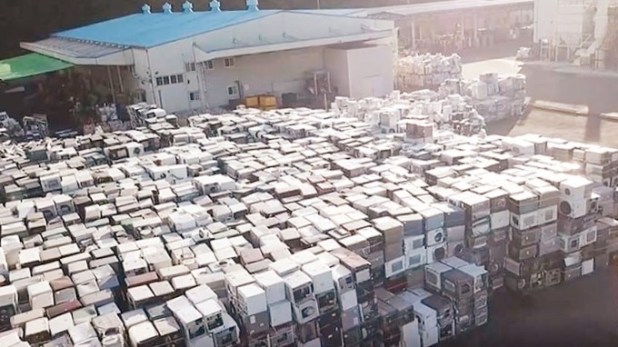
LG Electronics says it is continuing to invest in what it calls a state-of-the-art recycling facility in Hamyang County, South Korea. The LG Chilseo Recycling Center, says the firm, collects a broad range of discarded household appliances and then undertakes disassembling, crushing and screening to create secondary commodities that can be reused in new LG appliances, “beginning their life cycle again.”
Every year, the center recycles up to 550,000 appliances, including refrigerators, washing machines and air conditioners. LG says the process starts with skilled technicians and includes “tried-and-true” processes and specialized equipment that helps harvest aluminum, copper, steel and plastic, destined for end markets tied to the manufacturing of new LG home appliances.
Offering an overview of the plant, LG says the plant’s initial stage includes disassembly, shredding and sorting. Once the appliances have been collected at the Chilseo Recycling Center, workers manually remove both mechanical and detachable plastic components such as compressors, drawers and shelving. Any remaining refrigerant is safely extracted using a gas recovery device, adds the firm.
Appliance frames are then shredded and sorted into steel, copper, plastic, aluminum and any other fractions “through a variety of methods using vibration, gravity, magnets and air.”
Shredded plastics are moved to another facility and sorted another time using water before being melted, cooled and cut into small pellets of uniform size. “With their consistent shape, scale and composition, the pellets are perfect for use in the manufacturing of plastic parts and goods, offering dual benefits of reducing both waste and effort required to create new products,” states LG.
From the plastics facility, the pellets are transferred to another site where they are melted down, poured into molds and transformed into plastic components for new LG refrigerator models.
Those plastic components are then moved to LG’s plant in Changwon, South Korea, the company’s “main home appliance manufacturing facility” 30 kilometers (nearly 19 miles. There, the components become part of a new LG refrigerator as shrouds, ducts and handles, among other components.
The appliance maker states, “One of the best ways to preserve the Earth’s resources and reduce our footprint is through creating a virtuous cycle where we recycle, reuse and repurpose what we already have. From eco-conscious manufacturing and product design to responsible recycling and waste management and development of sustainable technologies, LG continues its journey to ensure a better tomorrow.”

 WHITEGOODSNOW