
The Electrolux Group has developed a new line of built-in refrigerators – the Electrolux 500-900 Series and AEG 5000-9000 Series – that we’re currently launching in Europe. The recent launches have inner liners made from 70% recycled plastic, which equates to 13% of the total plastic used in the refrigerator. We are the first in the world to incorporate this much recycled plastic into a refrigerator so it’s an important industry breakthrough.
The plastic is sourced from a specialty supplier that collects and refines plastic from discarded refrigerators in Europe. It is very important that we work with strong and reliable partners that can provide access to high-quality recycled materials.
The range has been well received at fairs such as IFA in Berlin as the industry sees the product as being concrete proof that we take sustainability seriously.
How have consumers responded to the inner liners made from recycled plastic?
Consumers have responded very positively to the inner liners, and they perceive the gray shade of plastic as being more premium than standard white liners. They favor products made from recycled materials and our research has shown they want this kind of refrigerator with recycled materials.
How do our built-in fridges help retain nutrients and avoid food waste?
The recent launches have an innovative GreenZone crisper drawer to keep fruit and vegetables fresh. They are offered in two versions – one with a manual vent that consumers can open or close depending on how full the drawer is and an automatic version. The automatic crisper has a membrane that allows ingredients to breathe by regulating and optimizing humidity.
Third-party studies have shown that our GreenZone crisper drawer can retain 95% of the vitamin C in blueberries after 11 days. None of our competitors use this kind of innovative membrane so it is a clear competitive advantage for us.
The recent launches also use innovative cooling technology that keeps the temperature stable to help ingredients last longer. One of the solutions is Cooling 360, which maintains a more stable temperature distribution, to preserve food for longer by avoiding temperature shocks and stress on food. Our TwinTech® No Frost also keeps food hydrated with independent cooling systems for the fridge and the freezer parts.
What do customers think about these enhanced abilities to help preserve ingredients?
Consumers immediately understand the value to them – not only in terms of retaining the vitamins in their ingredients for their health, but also making ingredients last longer and ultimately helping them to avoid food waste. Importantly, consumers really value the third-party verified fact-based claims we make. At Electrolux Group we’re committed to help consumers live better, more sustainable lives in the home and this refrigerator line reflects that.
Consumers have shown increased interest in healthy eating, particularly since the pandemic, and we go beyond the standard refrigerator offering by helping them to maintain the vitamin content and quality of the food they eat. Also, people are becoming increasingly conscious of food waste and the materials that are used to manufacture their products.
Will they be launched in other markets in 2023?
Yes, as well as continuing to roll out these innovations across Europe in 2023, they are looking at launching in other regions, such as Asia Pacific, in the coming years. Watch this space
Tag Archives: world’s first
Sepura promotes world’s first sustainable food waste separation product
Canada-based household appliance brand Sepura has announced it has received new investment, thanks to its innovative sustainable food waste separation product.
Sepura Home Ltd recently raised approximately €3.38 million ($3.7 million) in an investment round led by tap brand Blanco. It has been reported that the investment will go towards scaling Sepura’s activity in North America, boosting the market presence of the brand’s innovative “first sustainable food waste separation device in the world.”
Sepura impresses with eponymous food waste separation device
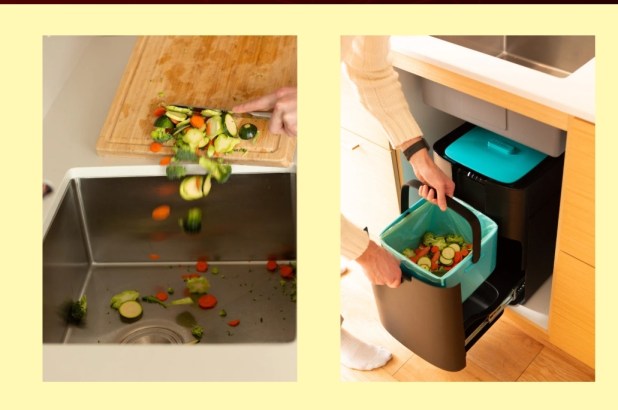
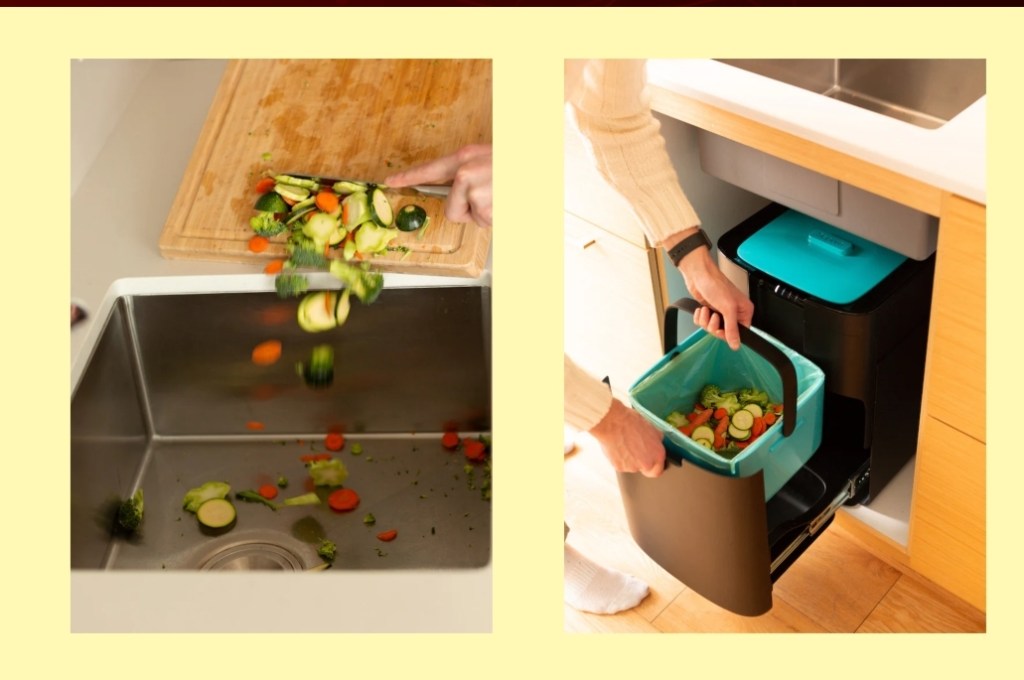
Sepura is a household appliance product that is fitted under the kitchen sink. The product essentially replaces garbage disposal, and sees users scrape food into their own sink. After that, a wireless button is pressed, with liquids going down the drain and solids separated by an auger and collected in a compost bin. Users are notified when the compost bin is filled and needs to be emptied.
The device has an array of cutting-edge features that could prove useful in the kitchen. For one Sepura has a carbon filter which can cut out the smell of decomposing food and can regulate air intakes. There are LED indicators to inform the user when it is time to empty the bin, and its adaptable design means the product can be installed in a range of different kitchens thanks to adjustable height and a simple installation process.
“Sepura represents a significant step forward in sustainable living. With its advanced technology and user-friendly design, Sepura offers a simple and effective way to minimise waste and promote a cleaner, healthier environment,” said Victor Nicolov, Co-founder and CEO of the company.
“We are excited [to] bring consumers the sustainable solution they are seeking and work to improve how food waste impacts the environment moving forward.”
Sepura’s innovative product could prove to be one way for consumers at large to live more sustainably. The company claims that more than three billion tonnes of food is wasted around the world on an annual basis, with cities across Sepura’s range of influence in North America introducing bans for garbage disposal in some cases.
Sepura says it is targeting a gap in the market for non-traditional garbage disposal products, with the introduction of an arguably more sustainable solution.
“With this strategic investment we are proud to enable SEPURA to further develop and execute their standalone business. We want to contribute to making the kitchen water place in residential homes even more sustainable and consumer friendly,” remarked Frank Gfrörer, CEO of Blanco.
“We believe that Sepura’s technology represents a substantial advancement in the field of food waste disposal and we are convinced that the solution provides the right answer to a pressing issue of our time.”
Food waste management receives billion dollar boost in North America
The rising importance of effective food waste management is felt strongly in North America, with news that Divert, a company which converts food waste into natural gas, has received a billion dollar boost to expand its operations across the region.
The company received approximately €920 million ($1 billion) in investment from Canada-based energy company Enbridge Inc. The funding will go towards the construction of 30 gas conversion facilities that will reportedly be able to convert over 5% of all food waste generated in the United States, apparently avoiding the production of approximately 400,000 metric tonnes of carbon dioxide.
Divert also received approximately €73 million ($80 million) in growth equity from Enbridge, with further investment of around €18 million ($20 million) provided by investor Ara Partners among others.
“For 16 years, Divert has been at the forefront of efforts to prevent wasted food nationwide and this new funding will serve as a catalyst to address this pervasive problem at scale,” noted Ryan Begin, CEO and co-founder of Divert
 WHITEGOODSNOW