The Vorwerk Group announced its financial results for the full-year 2025. The company ended the year with record revenue of approximately $4.1 billion, a 14.1% increase over 2024. Operating results improved 28.2% year-over-year to $321 million.


The Vorwerk Group announced its financial results for the full-year 2025. The company ended the year with record revenue of approximately $4.1 billion, a 14.1% increase over 2024. Operating results improved 28.2% year-over-year to $321 million.
Ultimate Products, owner of Salter and Beldray, has appointed Simon Harrison as its new CEO. His arrival marks the next chapter for the fast‑growing consumer goods group, with a continued focus on brand development, retailer partnerships and product innovation across home and kitchen categories
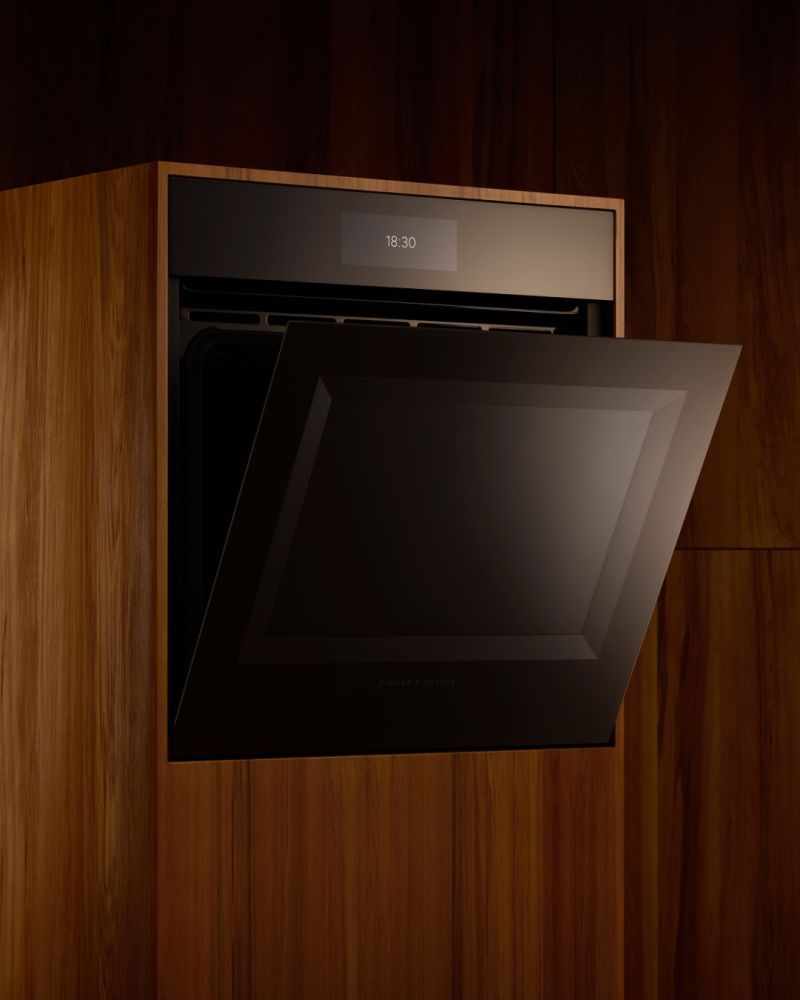
Fisher & Paykel returned to Milan Design Week with a standout showcase centred on its State of the Art Collection—a design‑driven suite that continues to push the boundaries of premium built‑in cooking. This year’s hero launch was the brand‑new 30” Steam Assist Oven in Minimal Style, making its global debut in Milan and anchoring the brand’s evolving cooking ecosystem.Ritual, Refinement and the Future of Cooking
Fisher & Paykel’s messaging in Milan centred on a simple but powerful idea: routines become rituals when design removes friction. The new Steam Assist Oven embodies that philosophy, pairing precision performance with seamless integration into surrounding cabinetry. The result is an appliance that feels less like a machine and more like a natural extension of the kitchen environment.
The Minimal Style aesthetic—clean lines, flush integration, and a restrained material palette—continues Fisher & Paykel’s long-standing commitment to quiet luxury. It’s a look increasingly favoured in high-end European kitchen design, and Milan proved the perfect stage for its introduction.
A Flagship for the State of the Art Collection
The new 30” Steam Assist Oven sits at the centre of Fisher & Paykel’s premium built‑in line-up, complementing companion products such as:
– Integrated cooktops
– Column refrigeration
– Minimal Style warming drawers
– Precision‑engineered ventilation solutions
While the LinkedIn post focused on the oven, the wider stand at Milan showcased how these appliances work together as a cohesive ecosystem—something Fisher & Paykel has been refining for years.
Why This Matters for the Trade
For retailers, designers and specifiers, this launch signals several key trends:
– Steam remains the premium cooking battleground, with brands investing heavily in hybrid steam‑assisted technologies.
– Minimalist integration is accelerating, especially in the luxury segment.
– Milan continues to be the proving ground for design‑led appliance innovation, and Fisher & Paykel is positioning itself firmly within that space.
With the State of the Art Collection expanding, expect further product rollouts aligned to this design language and performance philosophy.
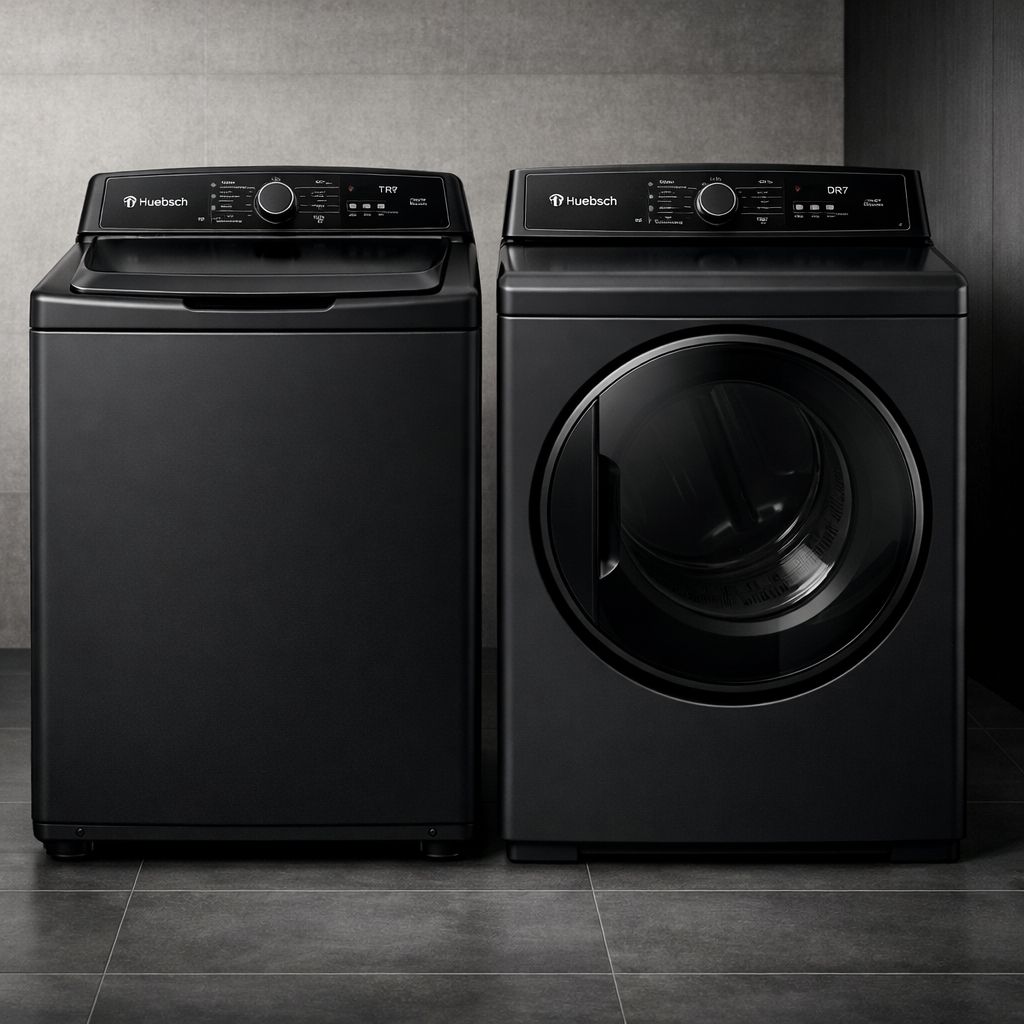
Huebsch has introduced a striking new Matte Black finish to its TR7 washer and DR7 dryer pair—bringing a premium aesthetic to a range already known for heavy‑duty performance.
The Huebsch TR7 washer is engineered for households that demand reliability across every type of load—dog beds, delicates, rugs, and everything in between.
Key performance traits include:
– Robust build quality for long‑term durability
– Quiet operation thanks to refined mechanical design
– Gentle wash action that protects fabrics while delivering a deep clean
The DR7 Dryer: Durability With a 7‑Year Full Warranty
Pairing the TR7 with the Huebsch DR7 dryer creates a laundry duo built for longevity. The DR7 is backed by a 7‑year full warranty, one of the strongest in the residential laundry sector, reinforcing Huebsch’s confidence in its engineering.
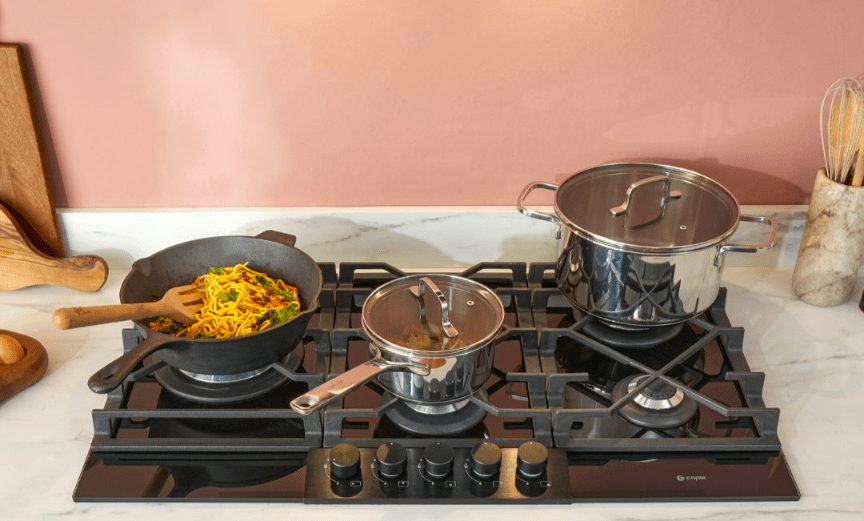
Gas cooking remains a firm favourite among home chefs who value instant heat control and responsive performance. Recognising the way modern households cook, Caple has introduced a new gas hob that places practicality and flexibility at the forefront of its design.
The standout feature is a powerful 4.2kW triple-ring burner positioned on the left-hand side of the hob rather than in the more conventional central location. This thoughtful adjustment gives users greater freedom when cooking with larger pans, woks and specialist cookware, while reducing congestion across the cooking surface.
The global electric kettle market is heating up—fast. Industry forecasts show the category surpassing USD 2 billion by 2026, driven by consumers who now expect faster boiling, smarter controls, and safer, more durable construction in their everyday kitchen appliances.
For retailers, supermarkets, distributors, and private‑label brands, this surge in demand is reshaping sourcing strategies. And one region continues to dominate the supply chain: China.
—
China’s Manufacturing Advantage
China has evolved into the world’s most advanced production hub for electric kettles, thanks to:
– Deep, mature appliance supply chains
– High‑capacity OEM and ODM manufacturing
– Flexible MOQs suited to both mass retail and emerging private‑label brands
– Rapid innovation cycles in heating systems, safety features, and materials
Factories across key appliance regions now offer:
– 0.5L–2.0L capacities
– 800W–3000W heating systems
– Stainless steel, glass, and hybrid body constructions
– Smart temperature control and multi‑stage safety protection
This combination of scale, capability, and customisation makes China the go‑to sourcing destination for brands looking to expand or refresh their kettle lineup.
What Buyers Are Looking For in 2026
Consumer expectations have shifted sharply in the last three years. Today’s best‑selling kettles typically include:
– Precision temperature control for tea, coffee, and baby‑care use
– Enhanced boil‑dry and overheat protection
– Energy‑efficient rapid‑boil systems
– Premium stainless steel interiors for hygiene and longevity
– Modern design language aligned with minimalist kitchen trends
These features are no longer “nice to have”—they’re becoming baseline requirements in competitive retail environments.
Inside the Wholesale Sourcing Proces
White goods now guide highlights the full sourcing journey for buyers looking to work with Chinese manufacturers. Key steps include:
– MOQ planning based on market size and product mix
– Evaluating product specifications to match target consumer segments
– OEM/ODM customisation for branding, packaging, and feature sets
– Supplier vetting using factory audits, certifications, and production capability checks
– Quality control frameworks, including pre‑shipment inspections and reliability testing
– Understanding certification requirements (CE, UKCA, ETL, CB, food‑contact compliance)
– Managing import logistics, from tariffs to shipping timelines
For brands entering or expanding in the kettle category, mastering these steps is essential to maintaining margin, quality, and speed‑to‑market.
Market Outlook: Strong Growth, Stronger Competition
As the category grows, so does competition. Retailers and private‑label brands are increasingly differentiating through:
– Design‑led product lines
– Smart‑enabled kettles with app control
– Eco‑efficiency claims
– Premium materials such as borosilicate glass and brushed steel
With China’s manufacturing ecosystem continuing to scale and innovate, the region remains the most strategic sourcing base for brands aiming to stay ahead of consumer expectations.
—
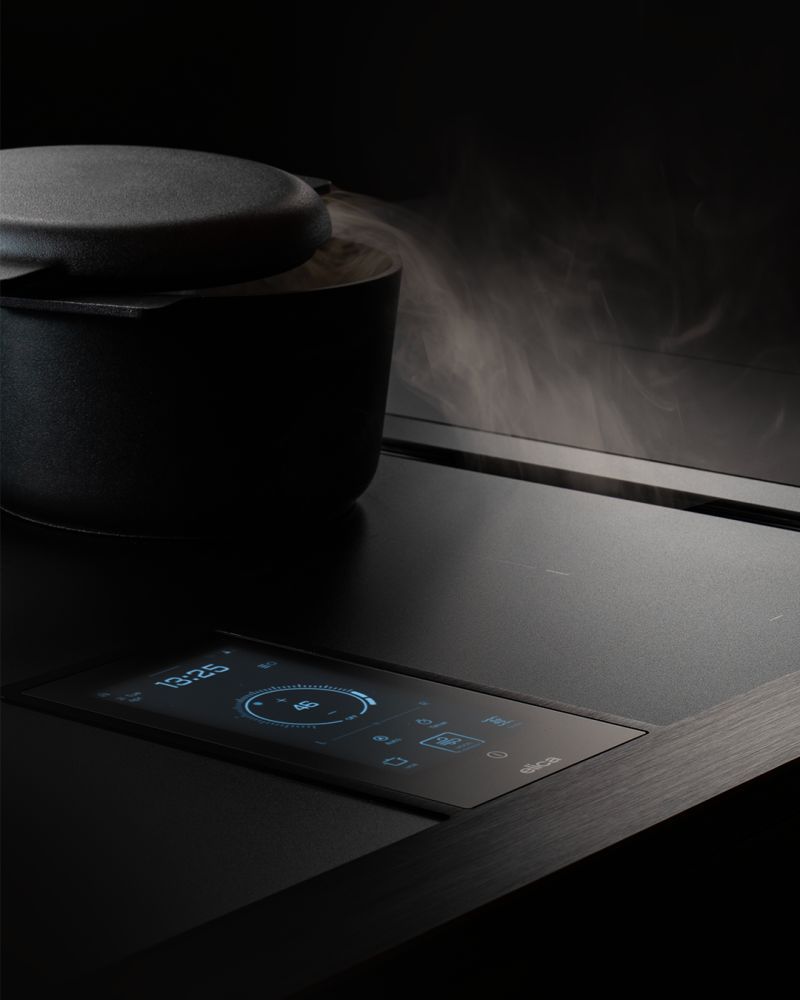
The Lhov remains the only appliance to integrate induction cooking, a full‑size oven and patented extraction in one unit — including extraction directly from the oven cavity, a first for the industry.
At EuroCucina, Elica also highlighted upgraded voice control, allowing users to manage cooking programmes, extraction and oven functions hands‑free. The brand positioned the new Finish matte White finish. as part of its push toward seamless, design‑led kitchen integration.
When Pomerantz LLP announced it was investigating Whirlpool Corporation (NYSE: WHR) for potential securities fraud, it wasn’t just a legal footnote — it was a flashing warning light for the entire white goods industry.
**What Happened at Whirlpool?**
Pomerantz LLP launched an investigation into whether Whirlpool and certain of its officers and/or directors engaged in securities fraud or other unlawful business practices. [PR Newswire](https://www.prnewswire.com/news-releases/investor-alert-pomerantz-law-firm-investigates-claims-on-behalf-of-investors-of-whirlpool-corporation—whr-302773030.html) The trigger was a brutal set of Q1 2026 numbers. The company disclosed net sales of $3.273 billion, down from $3.621 billion in the prior-year period — a fall of 9.6% — and swung to a GAAP net loss of $85 million, compared to a profit of $71 million a year earlier. [The AI Journal](https://aijourn.com/investor-alert-pomerantz-law-firm-investigates-claims-on-behalf-of-investors-of-whirlpool-corporation-whr/) On the news, Whirlpool’s stock fell $6.52 per share, or nearly 12%, closing at $48.21 on May 7, 2026. [
A “Recession-Level” Market
Whirlpool’s troubles aren’t just a company story — they’re a sector story. US appliance industry demand fell 7.4% in Q1, with March alone recording a 10% decline, reaching levels last seen during the global financial crisis. [The Motley Fool](https://www.fool.com/earnings/call-transcripts/2026/05/07/whirlpool-whr-q1-2026-earnings-transcript/) Management didn’t mince words, describing the situation as a “recession-level industry decline” — comparable to the 2008 financial crisis and worse than other recessionary peri
The culprits are well known to anyone watching the macro environment. Whirlpool has faced higher energy costs stressing consumer budgets, trade tariffs, and broader headwinds including a slow housing market. [)
**The Tariff Tangle**
Trade policy has added a particularly complex layer to the white goods landscape. From April 2026, every imported appliance in the US now faces at least a 25% tariffs Paradoxically, Whirlpool — which produces roughly 80% of its major appliances in American factories — was positioned to benefit from import duties. The company appeared to be in a prime position to thrive at a time when domestic manufacturing was being politically championed
Instead, a legal curveball hit the sector hard. The Supreme Court struck down Trump’s emergency tariffs as illegal, prompting rival appliance makers to seek refunds and turn aggressively promotional in anticipation — disrupting pricing across the industry. [Marketplace](https://www.marketplace.org/story/2026/05/07/whats-behind-whirlpools-recessionlevel-sales-decline) Whirlpool estimated the tariff impact on competitors at 10%–15% of net sales, versus around 5% for itself [News4JAX](https://www.news4jax.com/business/2026/05/07/whirlpool-has-been-rattled-by-rising-costs-and-that-now-means-higher-prices-for-customers/) — a relative advantage that the competitive chaos largely negated.
**The Price Hike Gamble**
Whirlpool’s response has been bold, if risky. The company implemented a price increase of more than 10% in mid-April across North America, supplemented by a further 4% list price hike effective July 9, aimed at offsetting accumulated inflation and tariff costs. [The Motley Fool](https://www.fool.com/earnings/call-transcripts/2026/05/07/whirlpool-whr-q1-2026-earnings-transcript/) It has also targeted $115 million in 2026 savings through manufacturing modernisation, vertical integration, and fixed cost controls.
Whether consumers, already squeezed by high grocery and fuel prices, will absorb these increases remains the central question.
**What This Means for the White Goods Industry Globally**
Whirlpool is a bellwether. When the world’s largest white goods manufacturer by revenue issues results this stark, the ripples spread. European players like Electrolux and Haier’s international divisions are navigating similar consumer confidence headwinds. The combination of sticky inflation, high mortgage rates suppressing housing transactions (the biggest traditional driver of appliance replacement), and an unpredictable US trade environment is reshaping the competitive landscape for every player in the sector.
Whirlpool now expects full-year North American industry demand to decline approximately 5%, with global industry demand down around 3%. [The Motley Fool](https://www.fool.com/earnings/call-transcripts/2026/05/07/whirlpool-whr-q1-2026-earnings-transcript/) That is not a blip — it is a structural reset.
**The Bottom Line**
The Pomerantz investigation will run its course through the courts. But the bigger story for the white goods industry is this: the golden assumptions that underpinned appliance demand — a growing housing market, confident consumers, stable supply chains — are all under pressure simultaneously. Manufacturers, retailers, and investors in the sector need to reassess their models for what a “normal” year looks like.
For white goods, 2026 may be the year normal stopped making sense.
—
Let me know if you’d like this as a downloadable file, adapted for a specific publication tone, or expanded with competitor comparisons.
The Italian government has taken a firm stance against Electrolux’s proposed restructuring plan, signalling that Rome is prepared to intervene financially to prevent large‑scale redundancies across the company’s domestic production network.
Electrolux recently outlined a plan that includes 1,700 job cuts, the closure of Cerreto d’Esi, and the discontinuation of several product lines across its Italian sites. The announcement triggered immediate political and union backlash, prompting the Ministry of Industry to call the plan “unacceptable”.
Industry Minister Adolfo Urso stated: “The plan is unacceptable, we must withdraw it immediately.” He has demanded that Electrolux return with a revised proposal that protects employment and aligns with Italy’s industrial‑policy priorities.
A formal meeting between the government and Electrolux is scheduled for 25 May.
Dreame Technology has officially launched the Z30 Pro Aqua in the UK, introducing a new category of cordless cleaning that merges powerful dry vacuuming with advanced wet‑cleaning performance. Designed as a true all‑in‑one solution, the Z30 Pro Aqua aims to simplify home care by tackling dust, debris, spills, and stains in a single, seamless pass.Recognised by Frost & Sullivan as a pioneer in wet‑cleaning vacuum technology, Dreame is positioning the Z30 Pro Aqua as a flagship model that redefines how households approach everyday cleaning.
—
🌧️ Wet & Dry Cleaning in One Pass
At the heart of the Z30 Pro Aqua is AquaCycle™ 2.0, a four‑phase cleaning system that sprays, scrapes, scrubs, and suctions simultaneously. This allows the vacuum to handle everything from dried‑on stains to fresh spills with impressive efficiency.
A three‑zone water management system keeps clean water, dirty water, and solid debris separate — ensuring hygienic operation throughout the cleaning session. The base station completes the cycle with automatic roller washing and 70°C hot‑air drying, reducing manual maintenance.
—
💨 Powerful Suction Meets Smart Engineering
Driven by Dreame’s TurboMotor™, the Z30 Pro Aqua delivers up to 28,000Pa of suction power. Cyclone separation technology prevents filter clogging, maintaining consistent performance, while a five‑layer filtration system captures fine dust, pollen, and pet dander with 99.99% efficiency.
A high‑capacity LiPo battery offers up to 90 minutes of runtime, enough to clean homes up to 200m² on a single charge.
—
🌀 Multi‑Surface Mastery with Anti‑Tangle Innovation
The upgraded multi‑surface brush features TangleCut™ dual motorised scrapers, which actively cut and remove hair during cleaning — eliminating the need to manually detangle the brush. Paired with CelesTect™ illumination, users get clearer visibility of hidden dust and debris.
—
🧹 Designed for Real Homes
The Z30 Pro Aqua’s 90° foldable extension rod makes it easy to reach under furniture without bending or moving heavy items. A 180° rotating head improves manoeuvrability in tight spaces, and the included accessories support cleaning on carpets, upholstery, and stubborn stains.