๐—œ๐—ป๐˜๐—ฟ๐—ผ๐—ฑ๐˜‚๐—ฐ๐—ถ๐—ป๐—ด “๐——๐˜‚๐˜€๐˜๐—ถ๐—ป” โ€” ๐—ฉ๐—ผ๐—ฟ๐˜„๐—ฒ๐—ฟ๐—ธโ€™๐˜€ ๐—ป๐—ฒ๐˜„ ๐—ž๐—ผ๐—ฏ๐—ผ๐—น๐—ฑ/๐—™๐—ผ๐—น๐—น๐—ฒ๐˜๐˜๐—ผ ๐—ฏ๐—ฟ๐—ฎ๐—ป๐—ฑ ๐—ฐ๐—ฎ๐—บ๐—ฝ๐—ฎ๐—ถ๐—ด๐—ป

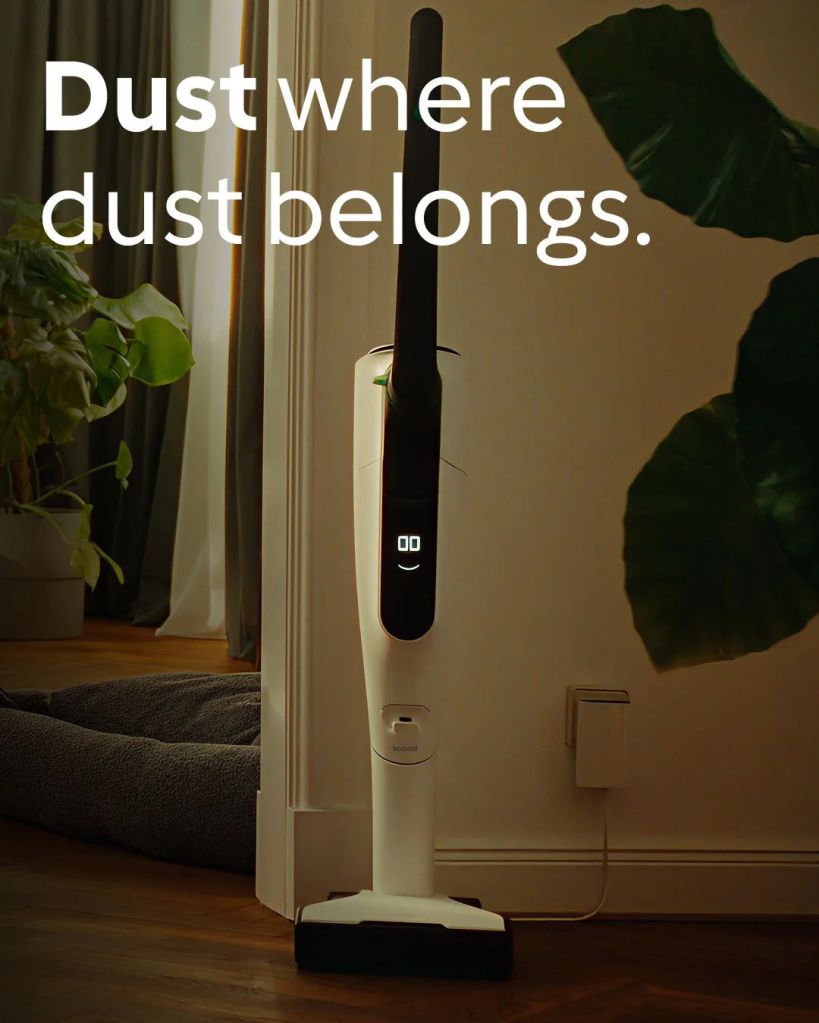
Dustin” puts a face to dust: cute, fluffy, almost likeableโ€”but still dust. And dust doesnโ€™t belong in your home. The campaign showcases the Kobold/Folletto VK7 and its smart, modular systemโ€”intelligent floor detection, hygienic filters, and purpose-built attachmentsโ€”to reach every corner and, kindly but firmly, show Dustin the door. Dust where dust belongs The Kobold VK7 by Vorwerk automatically detects the type of floor you are cleaning and adjusts its power and brush settings accordingly. You can even hear it: the sound changes when it switches modes. A clear signal that your VK7 is thinking for itself.

No manual switching.

No incorrect settings.
Electroluxโ€™s Ultimatum: Europeโ€™s Appliance Industry at a Breaking Point

Electrolux CEO Yannick Fierling has issued a stark warning: Europeโ€™s household appliance sectorโ€”worth โ‚ฌ80 billion and supporting one million jobsโ€”is sliding into structural decline. Rising costs, regulatory imbalance, and weak market protections are pushing manufacturers to the brink.

Italy is among the hardest hit. Electroluxโ€™s five plants and 4,500 workers face mounting pressure from soaring energy prices and uneven environmental rules.

Environmental Rules Creating a Competitive Gap
– ETS is driving up production costs as free COโ‚‚ allowances shrink.ย 
– CBAM taxes raw materials but not finished appliances, giving nonโ€‘EU imports a free pass on environmental costs.

Fragmented Standards, Weak Border Checks
Different technical rules across EU countries drain resources, while nonโ€‘compliant Asian imports continue to enter the market with minimal enforcement.
Offshoring Looms
Fierling warns that without urgent action, production will leave Europeโ€”permanently eroding industrial capability.
Electrolux is calling for:
– A unified regulatory frameworkย 
– An EUโ€‘wide appliance renewal incentiveย 
– Investment in digitalisation and energyโ€‘transition technologiesย 
Europe must now decide whether it wants to remain a manufacturing leaderโ€”or become a consumer market for goods made elsewhere.

RATIONAL Unveils Chinaโ€‘Exclusive โ€˜iCombi Oneโ€™ to Target Expanding Foodservice Market

RATIONAL AG is set to strengthen its position in one of the worldโ€™s largest foodservice markets with the launch of the iCombi One, a new combi oven developed exclusively for China.

Designed and built in China, the iCombi One is tailored specifically to the needs of Chinese cuisine, from cooking techniques to menu profiles. The model will be sold only on the Chinese mainland, marking a strategic move to deepen RATIONALโ€™s presence in a fastโ€‘growing, highly competitive segment.

CEO Peter Stadelmann emphasised that the companyโ€™s commitment to German manufacturing remains unchanged. RATIONALโ€™s flagship iCombi Pro will continue to be produced at its longโ€‘established facility in Landsberg am Lech, ensuring continuity for global markets.

The Chinaโ€‘only launch underscores RATIONALโ€™s broader strategy of regionalisationโ€”developing solutions that meet the culinary expectations, operational demands, and growth opportunities of specific markets

Whirlpool to Invest $60 Million in New Perrysburg Facility, Boosting Ohio Manufacturing

Whirlpool Corporation has announced plans to invest $60 million in a new production facility in Perrysburg, Ohioโ€”an expansion set to strengthen the regionโ€™s longโ€‘established manufacturing base.

The project is expected to create 100 to 150 new jobs, reinforcing Whirlpoolโ€™s longโ€‘term commitment to northwest Ohio, where it already operates several major production sites.

The new Perrysburg facility will manufacture washer and dryer components that will feed directly into Whirlpoolโ€™s operations in Findlay and Marion, supporting continued demand across its laundry portfolio.

Whirlpoolโ€™s investment marks another significant step in modernising its U.S. supply chain and expanding domestic production capacity at a time when appliance manufacturers are increasingly focused on resilience, efficiency, and regional growth.

LG Electronics Sets New Q1 Record: Strong Appliance Performance

LG Electronics has opened 2026 with a milestone: record-breaking firstโ€‘quarter revenues of 23.7 trillion won (โ‚ฌ13.7 billion), the highest in the companyโ€™s history. The chaebol also reported operating profits of 1.67 trillion won (nearly โ‚ฌ1 billion)โ€”a solid increase compared to Q1 2025, despite a global climate still marked by uncertainty.

Household Appliances Remain a Growth Engine

LGโ€™s core businessesโ€”particularly home appliancesโ€”continue to deliver stable growth. Whatโ€™s notable is how the company is achieving it. LG is increasingly shifting toward a leasingโ€‘based business model, active in several Asian markets and the United States. Instead of selling appliances outright, LG offers longโ€‘term operating leases, creating recurring revenue streams and deeper customer retention.

This model is proving profitable, especially as consumers seek flexibility and predictable costs in managing large household appliances.

Midea Closes 2025 With Doubleโ€‘Digit Growth and Major Investment

Midea, one of the worldโ€™s most influential home appliance manufacturers, has wrapped up 2025 with a powerful financial performance and a bold push into nextโ€‘generation automation.

The Chinese giant reported 12% yearโ€‘onโ€‘year sales growth, reaching 458 billion yuan (โ‚ฌ58 billion). Shareholder profit climbed even faster, rising 14% to 44 billion yuan (โ‚ฌ5.55 billion).ย 

One of the standout figures in Mideaโ€™s latest results is its export performance. Overseas sales surged to 196 billion yuan (nearly โ‚ฌ25 billion), now accounting for 43% of total revenueโ€”a clear sign of the brandโ€™s expanding global footprint.

—

๐ŸŒ A Global Powerhouse in Core Appliance Components

Midea isnโ€™t just a major appliance brandโ€”itโ€™s a foundational supplier to the global industry. The company remains:

– The worldโ€™s largest manufacturer of residential airโ€‘conditioning compressors
– A leading producer of washing machine motors

These components power millions of appliances sold under dozens of brands worldwide, giving Midea a unique influence across the entire white goods ecosystem.

—

๐Ÿค– A Massive Bet on Humanoid Robotics

Perhaps the most forwardโ€‘looking part of Mideaโ€™s 2025 strategy is its investment in robotics. The company has allocated 60 billion yuan (โ‚ฌ7.6 billion) to research and development, with a significant portion directed toward humanoid robots.

These robots are already being deployed inside Mideaโ€™s factories, where theyโ€™re assisting with quality control tasksโ€”a move that signals how quickly automation is evolving from concept to practical application in largeโ€‘scale manufacturing.

For the wider appliance industry, this shift could reshape everything from production efficiency to product reliability.

—

๐Ÿ” What This Means for the Appliance Market

Mideaโ€™s 2025 results highlight several key trends worth watching:

– Global demand for appliances remains resilient, even in a competitive market.
– Component leadership gives Midea strategic leverage, especially as brands seek efficient, reliable supply chains.
– Robotics investment signals a longโ€‘term shift toward smarter, more automated manufacturing.
– Export growth shows Mideaโ€™s increasing dominance in Europe, the Middle East, and emerging markets.

For retailers, manufacturers, and consumers, Mideaโ€™s trajectory suggests a future where appliances become more advanced, more efficient, and potentially more affordable as production technologies evolve.

Elica Previews Two Major Innovations for EuroCucina 2026

Elica is set to make waves at EuroCucina 2026 with two standout launches: an upgraded Lhov Allโ€‘inโ€‘One system and the new Luna smart lamp.

๐Ÿ”ฅ Lhov, Now Smarter and Sleeker
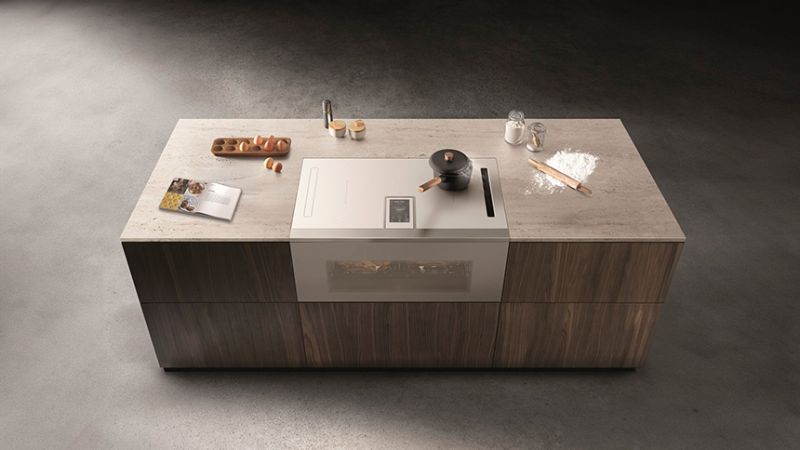
The integrated hobโ€‘ovenโ€‘extractor returns with a matte white finish, voice control, and more intuitive functions. Its seamless design blends directly into modern cabinetry, pushing the boundaries of minimalist kitchen tech.

๐Ÿ’ก Luna: Lighting That Thinks
Luna goes beyond traditional lighting, combining ambient and task illumination with gesture, app, and voice control. It automatically adapts to whatโ€™s happening in the kitchen, creating a dynamic, responsive atmosphere.

๐ŸŒ A Step Forward in Kitchen Experience
With Lhov and Luna, Elica reinforces its role as a global leader in kitchen innovation โ€” merging design, smart technology, and everyday usability into one cohesive experience.

Chinaโ€™s Major Appliance Brands Announce Price Rises โ€” Whatโ€™s Driving the Increases?

Chinaโ€™s home appliance market is entering a new phase of price adjustments, with several major brands โ€” including Hisense, Haier, Midea, Siemens, TCL, Panasonic, Rongsheng, and Fotile โ€” confirming that retail prices are climbing across multiple categories. The news has sparked strong consumer interest, especially as global raw material costs continue to fluctuate.

During a recent visit to appliance retailers in Nanjingโ€™s Xinjiekou district, reporters found that while price increases are real, theyโ€™re not uniform across all products or channels. Hereโ€™s whatโ€™s behind the shift.


๐Ÿ“ˆ Raw Material Costs Are the Main Driver

One of the clearest pressures comes from rising copper prices, a critical material in refrigerators, compressors, and especially air conditioners.

๐Ÿ”น Refrigerators: Copper & Component Upgrades
A Rongsheng refrigerator representative explained that higher copper costs have pushed up production expenses. The brand also differentiates

Extending CBAM to Home Appliances: A Necessary Step for Fair Competition and Climate Integrity

The proposal to expand the EUโ€™s Carbon Border Adjustment Mechanism (CBAM) to include washing machines, refrigerators, and dryers is both timely and essential.

More than 75% of large household appliances produced in Europe are sold within the EU. As a result, manufacturers are directly exposed to rising material and production costs driven by the Emissions Trading System (ETS).

With free ETS allowances being phased out, European producers will face increasing carbon costsโ€”costs that imported finished goods can currently avoid. This widening โ€œcarbon gapโ€ risks distorting the market and undermining Europeโ€™s capacity to innovate.

Why extending CBAM matters

Bringing home appliances into the CBAM framework would:

– Level the playing field by ensuring imported goods face equivalent carbon costsย 
– Encourage global decarbonisation by rewarding lowโ€‘carbon manufacturing practicesย 
– Safeguard EU climate ambition by preventing carbon leakage and reinforcing the ETSย 

To fully achieve CBAMโ€™s objectives, we urge the European Parliament and the Council of the EU to extend coverage to additional home appliance categories that face similar carbon leakage risks.

A comprehensive approach is the only way to protect European industry while staying true to the EUโ€™s climate commitments.

https://applia-europe.eu/policy-papers-applia/support-the-european-home-appliance-industry-support-the-cbam