
Electrolux Group is recalling more than 174,000 Frigidaire gas ranges due to an oven-related issue that poses a burn hazard to users.
The recall affects about 169,500 units sold in the U.S. and 5,300 in Canada, according to the Consumer Product Safety Commission.
Category Archives: Domestic appliance news,
Smeg MUSA
If you thought Smeg was only about 1950s retro curves or high-shine Victoria range cookers, think again. The Italian design powerhouse has just unveiled MUSA, a new built-in appliance collection that shifts the focus from bold colour to the subtle interplay of light and texture.
Developed in collaboration with the renowned Milanese studio BorromeodeSilva, MUSA (unveiled at the KBB Show in March 2026) marks a more architectural, sophisticated direction for the brand.
“Crafted by Light”
The philosophy behind MUSA is “light as a design material.” Instead of just being “black” or “silver,” these appliances use a mix of matte and glossy surfaces—including acid-etched glass—to catch ambient kitchen light. The result? A collection that feels sculptural and shifts in appearance throughout the day.
The Heavy Hitters: Ovens & SpeedwaveXL
The star of the show is the SpeedwaveXL (SO6202M2BI). This 60cm combination oven isn’t just a microwave; it uses inverter technology to cut cooking times by up to 40% without sacrificing the texture of a traditional bake.
For those who prioritize maintenance, Smeg offers two distinct paths:
The SFP6201TSI Pyrolytic Oven: For the “set it and forget it” crowd, using extreme heat to turn grease into easy-to-wipe ash.
The SF6200TBI Vapour Clean: An eco-friendly alternative that uses steam to loosen grime, perfect for quick, chemical-free maintenance.
Precision Cooking: MultiZone Induction
The MUSA induction hobs (available from 60cm up to 90cm) are all about seamless tech. The SI1M24954D model features Auto-Vent 2.0, which allows the hob to “talk” to your extractor fan via Bluetooth, adjusting suction power automatically based on what’s bubbling on the stove. With MultiZone technology, you can bridge individual zones to accommodate oversized griddles or fish kettles with no cold spots.
The Verdict
The MUSA collection is designed for the “curated” kitchen. Whether you opt for the deep, velvety Deep Black or the architectural Sleek Silver, these units are built to be stacked. Smeg has ensured that 45cm compacts, 60cm ovens, and warming drawers align perfectly, allowing for symmetrical “cube” or vertical installations.
MUSA isn’t just an appliance upgrade; it’s a design statement that proves Smeg is still the king of “Made in Italy” elegance.
LG CEO visits AgiBot
LG Electronics is accelerating its push into smarter, more autonomous home appliances through robotics and AI. CEO Lyu Jae-cheol recently visited top Chinese humanoid robot maker AgiBot in Shanghai during a three-day trip, highlighting the company’s focus on bringing advanced robotics into everyday household life.
The visit, which included a tour of AgiBot’s facilities and discussions on humanoid robotics trends, builds on LG’s equity investment in the company last August. Key topics included AgiBot’s mass production capabilities, data training “farms” for refining AI motion skills, and supply chains for essential parts like actuators.
This move aligns directly with LG’s “Zero Labor Home” vision, unveiled at CES 2026, where AI-powered robots like the LG CLOiD handle chores such as cooking, laundry, fetching items, and coordinating with connected appliances via the ThinQ ecosystem. By partnering with a leader in humanoid production like AgiBot, LG aims to overcome manufacturing and intelligence hurdles, paving the way for more capable robotic helpers that integrate seamlessly with refrigerators, washers, ovens, and other white goods.
The result? Future homes where appliances don’t just think—they act, reducing daily labor and elevating convenience.
As competition in AI-driven home tech intensifies, LG’s deepening robotics ties signal exciting advancements for consumers seeking effortless, intelligent living.
What household task would you most want a robot to handle? Drop your thoughts below! Stay tuned to WhiteGoodsNow.com for the latest on smart appliances and robotics.
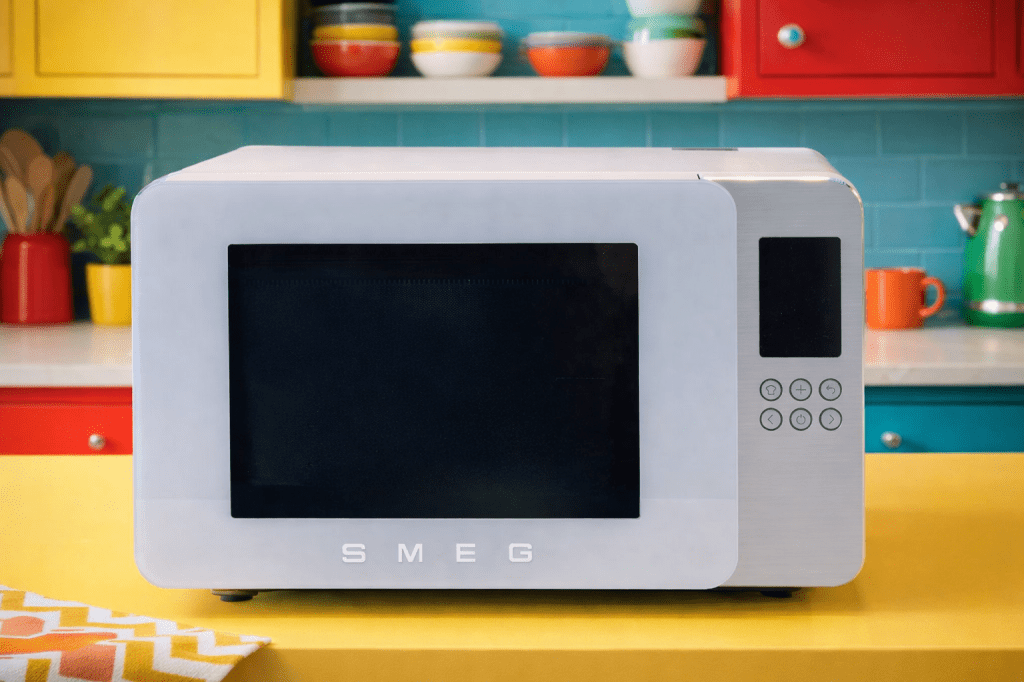
Smeg Countertop Microwaves
Smeg has officially lifted the curtain on its brand new range of Countertop Microwaves, debuting the collection at an intimate press event inside The Violin Factory in London’s Waterloo. The striking venue a blend of architectural drama and creative energy proved the perfect backdrop for appliances designed to elevate everyday cooking.
🍽️ A Culinary Showcase with Chef Francesco Mattana
To bring the new models to life, Smeg partnered with Italian chef Francesco Mattana, who recreated a series of his signature dishes using nothing but the new microwave range. From silky risotto to beautifully proved dough, the evening demonstrated just how effortless modern cooking can be when smart technology meets thoughtful design.
🔥 More Than a Microwave: A New Era of Multifunctional Design
This launch isn’t simply about adding another microwave to the countertop. It marks a meaningful step forward in multifunctional, space‑saving cooking appliances — ideal for busy homes, compact kitchens, and anyone who wants versatility without compromise
Meet the New Models
MOC01 – Microwave Oven with Grill
Available now
The first model to hit the market, the MOC01, blends simplicity with intelligent performance.
Key features include:
– 18 automatic programmes
– Four core functions: microwave, grill, keep warm, defrost
– Manual controls plus smart presets tailored to different dishes
Perfect for quick meals, crispy finishes, and everyday convenience.
—
MOC02 – Combination Microwave with Grill, Oven & Air Fry
Coming soon
For those who want even more capability in a compact footprint, the upcoming MOC02 expands the experience dramatically.
It offers:
– 25 automatic programmes
– Nine functions, including fan cooking and Air Fry
– Three combined cooking modes for maximum versatility
This model brings true
multi‑appliance performance to the countertop — ideal for healthier cooking, batch prep, and creative home chefs.
ILVE appoints Matteo Lupi as Sales Director:
ILVE has named Matteo Lupi as its new leader for high‑end market positioning, drawing on his extensive international experience across North America and the Far East. In his new role, Lupi will oversee strategic growth in key regions including Europe, the United States, and Australia.
Lupi joins ILVE after more than 20 years at Smeg, where he built his entire career as an export manager, guiding commercial development in both the USA and Asia.
Reporting directly to Alberto Illotti, Lupi will coordinate ILVE’s global commercial strategies, ensuring the brand’s technological excellence is aligned with the expectations and needs of diverse international markets.
This appointment forms part of a broader strengthening of ILVE’s management team under General Manager Pierluigi Amico, as the company continues to reinforce its position as a global leader in premium cooking appliances.
UNOX Opens $20M North Carolina Factory
UNOX, a global leader in professional ovens and advanced food‑processing technology for the restaurant, retail, pastry, and bakery sectors, has officially opened its new U.S. manufacturing facility in Denver, North Carolina. The $20 million investment marks a major milestone for the company, reinforcing its long‑term commitment to the North American market—now the Group’s most significant and fastest‑growing region.
V-Zug Hit by Weak Market Conditions as Profits Drop Sharply
Swiss premium appliance maker V-Zug has reported a steep decline in its 2024 financial results, reflecting a sluggish market and softer-than-expected project demand.
The company’s operating profit (EBIT) fell to CHF 11.6 million, less than half of the previous year’s CHF 25.3 million. Net income dropped even more sharply, sliding to CHF 6.8 million, compared with CHF 21.4 million a year earlier.
According to V-Zug, the downturn stems from cautious consumer spending, limited market momentum, and high fixed operating costs that became increasingly difficult to absorb in a weaker sales environment.
Despite the challenging year, the manufacturer says it is focused on returning to profitable growth, with a series of strategic and operational adjustments already underway to strengthen performance and improve resilience.
Miele Posts Moderate Growth in 2025,
Miele has reported a steady performance for fiscal year 2025, posting €5.16 billion in turnover, a 2.3% increase year‑on‑year, despite what the company described as a challenging and uncertain global environment. The results were presented at Miele’s annual press conference, where the German manufacturer also outlined its strategic direction for 2026.
—
📈 Growth Driven by Kitchens and Commercial Markets
According to the company, the strongest momentum came from two areas:
– Premium kitchen appliances, where demand for high‑end built‑ins continues to hold firm
– Miele Professional, the commercial division, which has now surpassed €1 billion in annual revenue
The Professional segment includes medical, laboratory, and commercial laundry technology—areas where Miele has been expanding aggressively as part of its long‑term diversification strategy.
—
🔍 Key Product Developments in 2025
Miele highlighted several innovations launched over the past year, including:
– M Sense, a connected cookware system designed to integrate with smart cooking platforms
– A new steam drawer, expanding the brand’s premium cooking range
– Updated solutions for medical, laboratory, and laundry applications
– The debut of Miele Dreams, the company’s first move into outdoor cooking
The company also confirmed the completion of the Miele Performance Program, a multi‑year internal initiative aimed at improving efficiency and competitiveness.
—
📊 Company Snapshot: Miele in 2025
– €5.16 billion in global sales
– 19 production sites
– 49 subsidiaries
– 200+ branded stores worldwide
– Around 23,000 employees
These figures underline Miele’s continued scale and global reach, even as the appliance market faces pressure from inflation, supply chain shifts, and changing consumer spending.
—
🔮 What’s Coming in 2026
Looking ahead, Miele says it will continue to prioritise premium innovation and “responsible investment” across global markets. Among the products expected in 2026:
– The company’s first outdoor kitchen, expanding its new outdoor living strategy
– Next‑generation washing machines, positioned as new performance benchmarks
– Further development of M Sense, its intelligent cookware platform
– Expanded use of digitalisation and AI, including
– Smart Food ID, which recognises dishes and adjusts cooking settings
– AI Diagnostics, designed to improve service efficiency and reduce downtime
Miele also reaffirmed its commitment to durability, highlighting its 25‑year motor warranty on washing machines, tumble dryers, and washer‑dryers.
—
🧭 Outlook: “Modest Optimism” for 2026
While the company remains cautious about global economic conditions, its leadership expressed “modest optimism” for the year ahead. The focus, they said, will remain on delivering reliable, long‑lasting products and innovations that improve everyday life—both for households and professional users.
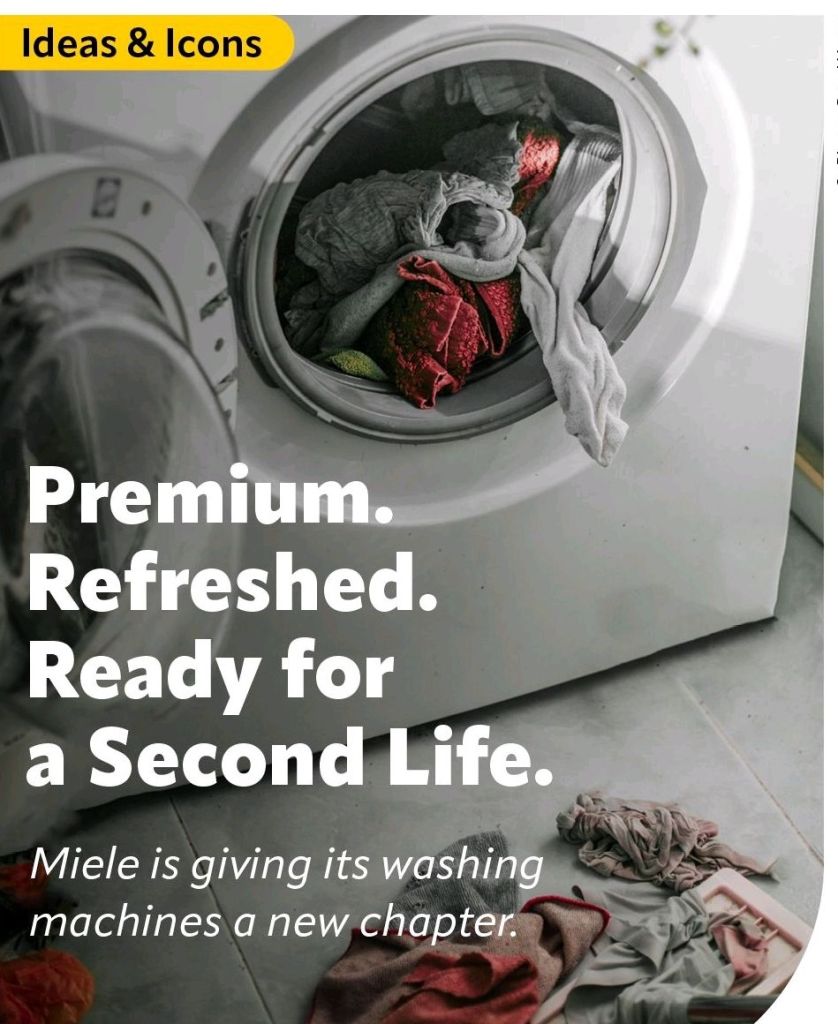
Miele to sell more refurbished appliances
Miele is taking a major step into the circular economy by expanding its refurbished appliance line, starting with German‑built washing machines. Each unit undergoes a full inspection, deep clean, and quality check before being resold with a warranty—effectively giving premium appliances a second debut on the market.
The move highlights how high‑end manufacturing and sustainability can work hand in hand. By extending the lifespan of durable products, Miele taps into rising consumer demand for greener, longer‑lasting appliances across Germany and Europe.
For other brands, the message is clear: there is real commercial potential in rethinking product lifecycles. Whether through refurbishment programmes, strategic partnerships, or new service models, companies can create value from appliances that would otherwise leave circulation. Miele’s example proves that circular innovation doesn’t have to come at the expense of quality—or profitability.
Dyson settles forced labour suit in landmark UK case
Dyson, the well‑known home appliance manufacturer, has agreed to settle a legal claim brought by 24 migrant workers who say they faced forced and abusive working conditions at a Malaysian factory producing components for the company.
The workers, originally from Nepal and Bangladesh, filed the lawsuit in 2022, alleging treatment they described as equivalent to modern‑day slavery.
Dyson has consistently rejected any suggestion of liability, stating that it had no prior knowledge of the alleged mistreatment and arguing that responsibility lay with the Malaysian supplier operating the facility.
The settlement marks a notable legal milestone, reinforcing that UK courts can hear cases involving alleged labour abuses within overseas factories supplying British brands.
 WHITEGOODSNOW