
Whirlpool is gaining recognition for an innovative dishwasher rack designed to make loading and unloading easier for people with disabilities and limited mobility.
The company’s Spin&Load dishwasher rack was named a finalist in the Accessible Design category of the 2026 Fast Company Innovation by Design Awards, also receiving an Honorable Mention in the Home category.
The design addresses a common problem with conventional dishwashers: having to reach across the lower rack to load and unload dishes. Spin&Load allows users to rotate the rack, bringing dishes closer and reducing the need to stretch or bend.
The development process began with an intern innovation challenge organised by Whirlpool Corporation’s AVID (Awareness of Visible and Invisible Disabilities) employee resource group.
Whirlpool worked with members of the United Spinal Association to develop and test prototypes, ensuring feedback from people with mobility disabilities influenced the final design.
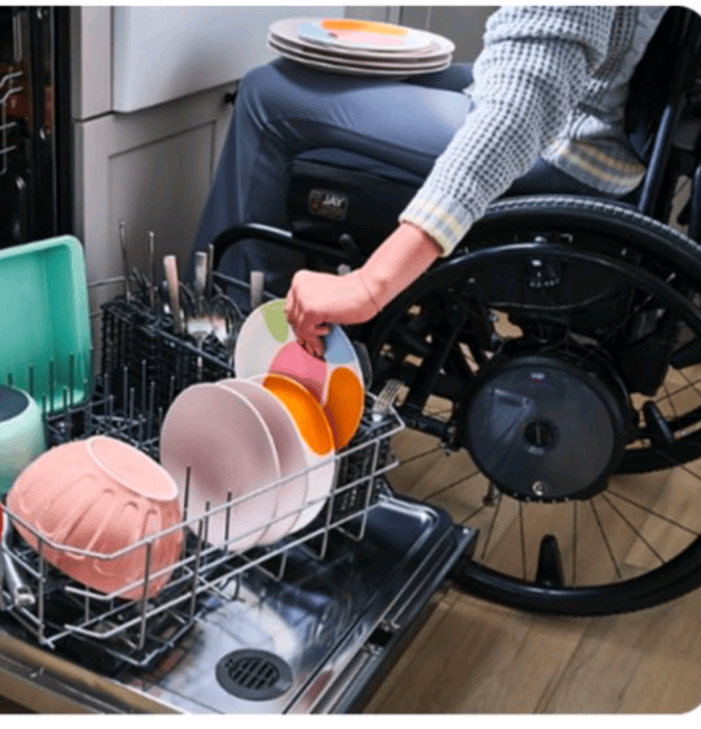
Designed for wider compatibility
Importantly, Spin&Load is not limited to a new dishwasher purchase. It is also available as a replacement lower rack for compatible 24-inch Whirlpool Corporation dishwashers manufactured after 2018, including selected models under the Whirlpool, KitchenAid, Maytag, Amana and JennAir brands.
The accessory can be installed using the existing dishwasher rack runners, making it a potential upgrade for consumers who want improved accessibility without replacing their appliance.
A wider opportunity for appliance manufacturers and retailers
The recognition highlights an important opportunity for the domestic appliance industry. Accessibility is increasingly becoming an important consideration in product design, rather than simply an additional feature.
For manufacturers, designing appliances that accommodate different physical abilities can broaden the potential customer base. For retailers, accessibility features also provide another meaningful selling point when discussing product benefits with customers.
Whirlpool’s Spin&Load demonstrates how relatively simple mechanical innovation can make everyday household tasks easier while improving the usability of an existing appliance.

