
The hum of a refrigerator, the steady spin of a washing machine, the quiet suction of a vacuum—these appliances shape the rhythm of daily life. The story of white goods in Europe is a tale of engineering, design, and social change that stretches from the early electric pioneers to today’s connected devices.
—
Early Electrification and Mass Adoption
Electric domestic appliances began appearing in European homes in the early 20th century. Initially luxury items, they became widely accessible after World War II as mass production and rising living standards made refrigerators, washing machines, and electric cookers common in middle-class households. Over decades, improvements in materials, motors, insulation, and controls steadily increased reliability, efficiency, and safety.
—Share Your Memories
The technical milestones are important, but the human stories make this history vivid. Do you remember a particular model that lasted for decades? A fridge that held family recipes on its door? A washing machine that survived moves and children? We want to hear those memories.
If you have photos, anecdotes, or memories about European domestic appliances—vintage or modern—please get in touch. Your stories may be featured in a future piece celebrating the appliances that quietly shaped everyday life.
European Brand Icons and Standout Models
Germany
– Miele — Renowned for longevity and build quality; models from the Novotronic era are still prized for durability.
– Bosch — Known for reliable dishwashers and washing machines that balance performance and energy efficiency.
– Siemens — Early adopter of electronic controls and integrated kitchen systems.
Sweden
– Electrolux — A major global manufacturer whose early vacuum cleaners and later TimeManager washing machines influenced household standards.
Italy
– SMEG — Famous for retro-styled refrigerators such as the FAB series that blend bold design with modern functionality.
– Zanussi — Popular for compact, efficient washing machines and cookers that became staples in European apartments.
Slovenia
– Gorenje — Noted for distinctive design collections that brought color and personality to kitchens across Europe.
Turkey
– Beko (Arçelik) — Grew into a pan-European brand offering affordable, feature-rich refrigerators and washers that emphasize energy savings
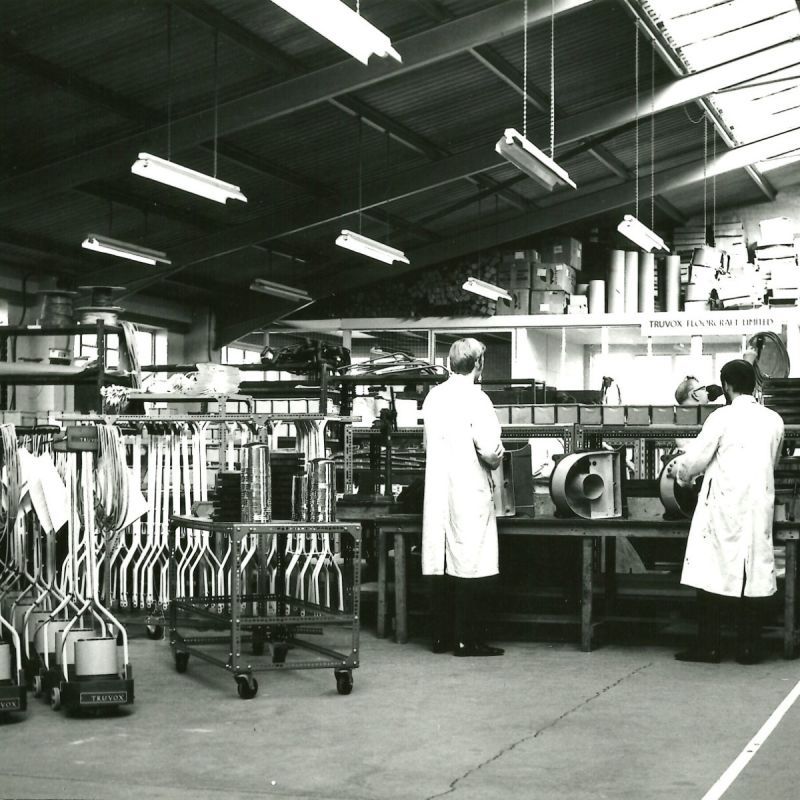

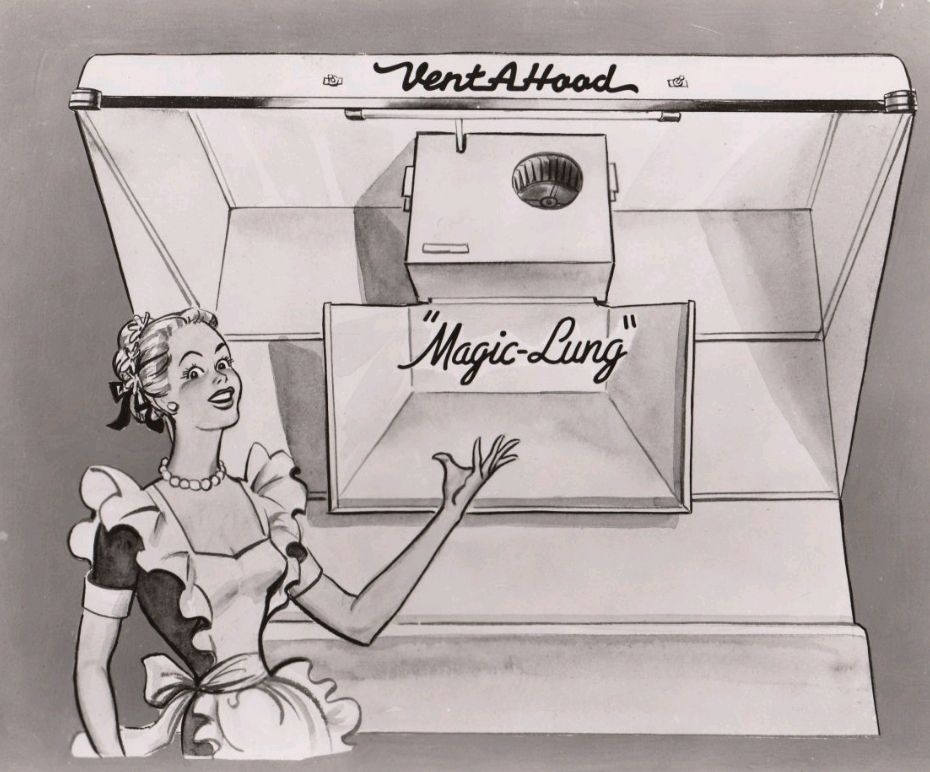
Still family-owned and operated, the company continues to uphold its legacy of excellence, blending quality, innovation, and custom craftsmanship like no other.
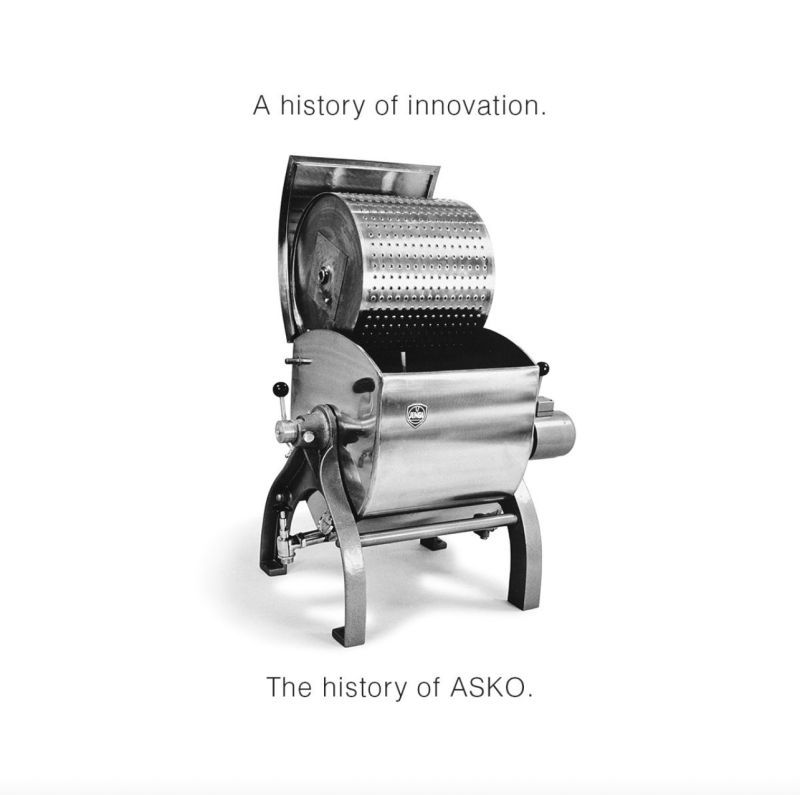
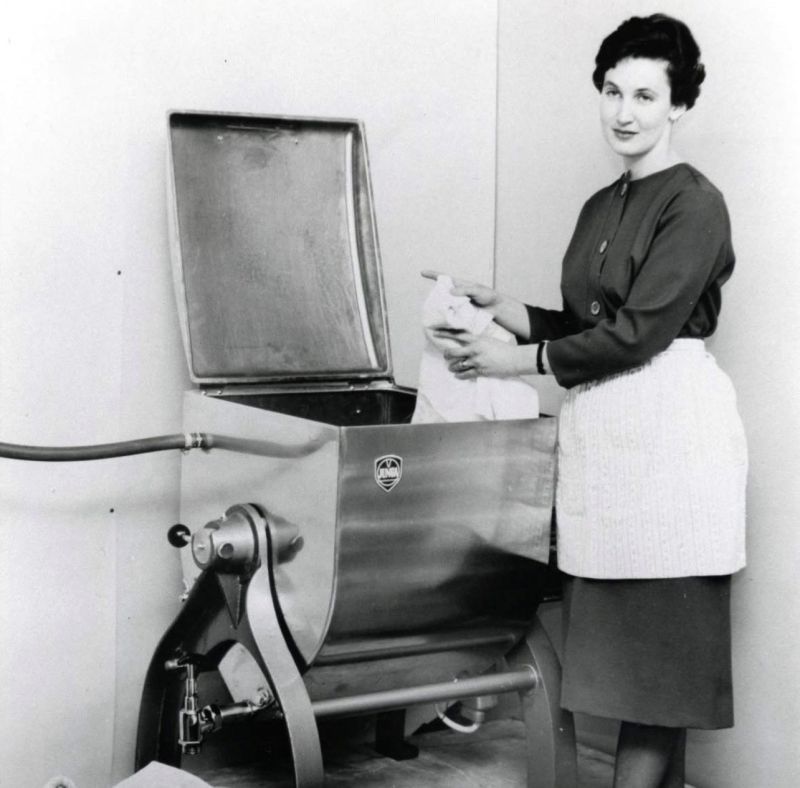

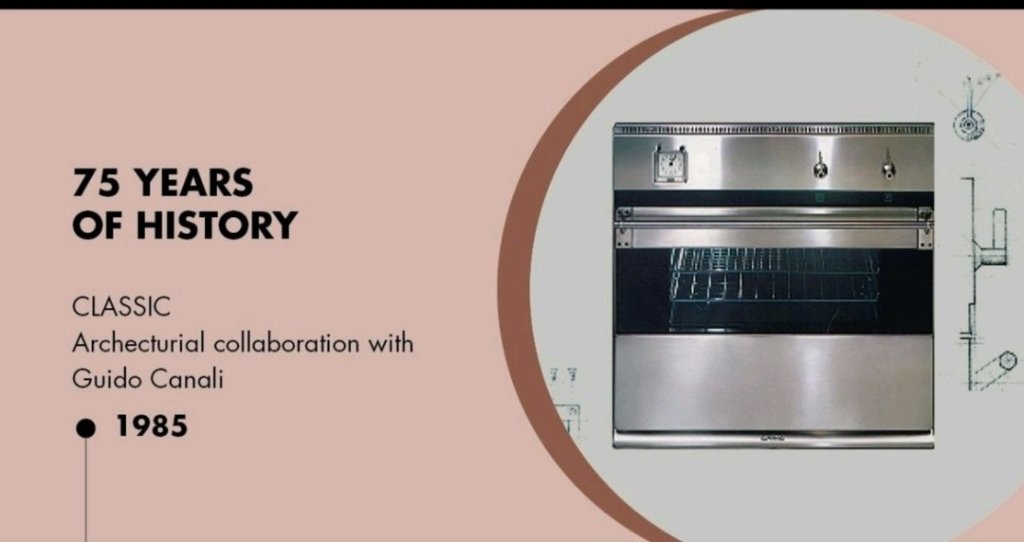
A truly innovative product for its era and one of the first gas cookers in the world with automatic ignition, safety valve and cooking programmer. A heritage Smeg triangular logo with a yellow background is also visible on the product.
The beautiful design lines are also a remarkable feature of the product, a charactaristic the company drew inspiration from while designing the hugely popular and award winning Victoria aesthetic we know today.
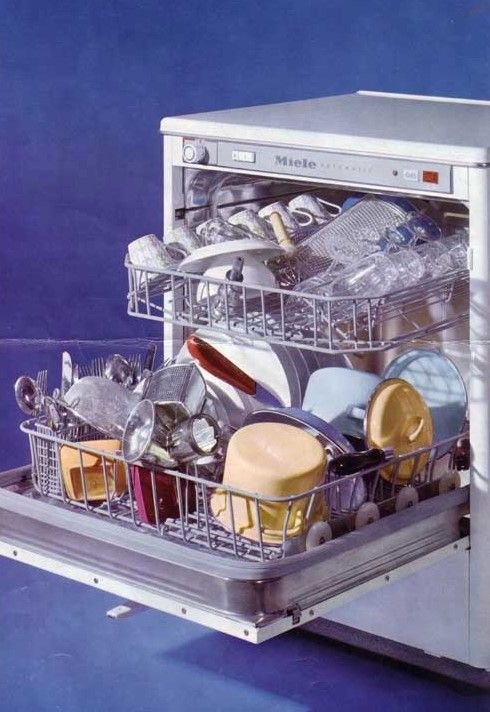
With an enlarged capacity, seamless kitchen integration 🏠 stainless steel wash cabinet, and measured detergent dispenser 🌊 it set the standard for modern dishwashers. 🌟


The world of 1958 was different from the world of today, but Adora was already there: efficient, innovative, and easy to use.

 WHITEGOODSNOW